
Abstract |
|
This study aims to analyze and evaluate different types of alternative fuels for aviation from a life cycle and cost perspective. It aims to analyze different alternative fuels and their use in aircraft for this purpose in the aviation sector in relation to their potential to be a suitable transition solution towards sustainable transformation. Using the GREET (Greenhouse gases, Regulated Emissions, and Energy use in Technologies) aviation module developed by the US National Research Laboratory (Argonne), the life cycles of petroleum and six different sustainable aviation fuel production methods were calculated, and the environmental impact of kerosene and sustainable aviation fuels in terms of cost and carbon dioxide emissions on long, medium and short-haul flights were analyzed. The life cycle values of carbon dioxide formed as a result of the production of corn, soybean and canola products, which are the most preferred to produce biofuel in the aviation industry, with hydro-processed esters and fatty acids (HEFA), alcohol-to-jet (ATJ), ethanol-to-jet (ETJ) methods, were calculated. As a result of the study, it was determined that the cost of the sustainable aviation fuels examined was higher than fossil fuel. The key to greater acceptance and deployment of sustainable aviation fuel is cost reduction. In the long term, this will require investment in advanced technologies to process feedstocks more efficiently on a larger scale and in the development of sustainable and scalable feedstock options. However, in the short term, temporary support from governments and other stakeholders through policy incentives is needed. Keywords
1. IntroductionThis study examines the relationship between the efficiency and sustainability performance of aircraft manufacturers operating in the global aviation industry. Operational efficiency measures how efficiently companies use their resources (labor, capital, technology), while marketing efficiency assesses the extent to which this operational efficiency translates into financial performance and market value. Environmental, Social and Governance (ESG) scores are a holistic sustainability assessment that measures a company’s environmental impact, social responsibility, and corporate governance structures. This study analyzes how aircraft manufacturers’ performance in these three areas influence each other and how they change over time. The findings should provide valuable insights for managers, investors and policy makers seeking to understand the impact of sustainability strategies on operational and financial performance. This study uses the Window Network DEA methodology to deal with the limited sample size in the industry. Wavelet analysis is used to identify time-varying relationships without the need for stationarity assumptions. Increasing global climate events in recent years have highlighted the need for the international community to pay more attention to the challenges posed by natural disasters. In this context, sustainable and green development planning has emerged as a key objective for many countries, aiming to minimize potential conflicts between economic growth and environmental protection. The ESG concept was first introduced in the 2006 United Nations Principles for Responsible Investment (UN PRI) report, establishing itself as a non-financial corporate rating system that integrates environmental, social and governance factors into investment decisions (Ji et al., 2023). This scoring framework comprises three fundamental components: The environmental (E) component measures the environmental impacts of the company, such as carbon emissions, energy efficiency, waste management and natural resource use. The Social (S) component assesses the fulfilment of social responsibilities such as human rights, labor practices, community relations and product stewardship. The Governance (G) component focuses on the corporate governance structure, such as board composition, executive compensation, audit practices and transparency. The integration of these components, particularly in capital-intensive industries such as aviation, demonstrates different levels of accountability that affect an organization’s long-term growth trajectory and financial sustainability (Fang-Chen Kao et al., 2022). ESG scores have emerged as fundamental indicators for evaluating corporate sustainability and represent a significant tool for integrating the United Nations’ Sustainable Development Goals (SDGs) into financial investments (Clément et al., 2022). Accordingly, ESG scores have become an integral component of corporate sustainable growth strategies. As Pham et al. (2022) emphasize, these scores aim to extend corporate lifecycles, enhance social engagement, and strengthen investor confidence. From an economic sustainability perspective, productivity and efficiency in the use of resources and technology are critical to sustaining and advancing growth trajectories (Irwin and Pavcnik, 2004). This paper examines two types of efficiency: operational efficiency and market efficiency. Operational efficiency refers to the efficiency with which a firm converts inputs (resources such as capital, labor, raw materials) into outputs (aircraft produced, orders completed) and includes the optimization of production processes, supply chain management and resource allocation. Marketing efficiency measures the firm’s ability to translate operational success into market value, shareholder returns and competitive advantage, and reflects the efficiency of marketing strategies, market positioning and investor relations. While in the 20th century the maximization of production factors was considered sufficient, today’s conditions require a more comprehensive approach and the sustainability of economies and national resources has emerged as a fundamental evaluation criterion (Budd et al., 2013). Although the financial position of civil aviation sector enterprises has shown improvement following the recent global financial crisis and pandemic, cost and resource efficiency continue to maintain precedence on the sector’s management agenda. Within this economic framework, international and national civil aviation authorities must integrate environmental considerations into their strategic planning to ensure sustainable aviation operations (Guimarans et al., 2019). In response to these challenges, the International Civil Aviation Organization (ICAO), as the premier authority in civil aviation, has established a stakeholder forum through its Global Coalition aimed at fostering innovative solutions and reducing greenhouse gas emissions (ICAO). This initiative is designed to contribute to the development of long-term environmental objectives and implementation measures for the international aviation sector (Alpman and Göğüş, 2017; Öztürk and Göktepe, 2024). The ICAO Global Coalition continues its carbon emission reduction efforts in coordination with CORSIA (Carbon Offsetting and Reduction Scheme for International Aviation), pursuing the goal of sustainable aviation. Carbon emissions represent one of the most significant environmental challenges facing the contemporary aviation industry, highlighting the multidimensional nature of sustainability challenges within the sector. As Pham et al. (2022) note, the energy requirements for production capacity development, the resources utilized in energy production, and their potential ecological impacts have reached levels threatening global environmental balance. Consequently, sustainability performance metrics, particularly for publicly traded companies, are now measured through indices and reported to stakeholders. The primary objective of this study is to analyze the operational and market efficiency of aircraft manufacturers between 2003 and 2023, with a specific focus on examining the relationship between manufacturers’ efficiency scores and ESG performance. This analysis aims to contribute to our understanding of how sustainability metrics correlate with operational efficiency in the aviation industry 2. Literature ReviewThe literature review is divided into two parts. Initially, studies on airlines and aircraft manufacturers’ markets are reviewed. Second, studies which focus on application of DEA approaches. The deregulation of the aviation industry started from the USA in the 1970s and then expanded to the other countries. With this development, the aviation industry began to gain importance, especially in the USA (Goetz and Vowles, 2009). In this process, the United Kingdom and the European Union followed the leading countries with their development in globalizing economic relations. It is observed that this has created an effect of other countries catching up with the liberalized countries in this industry (Dobson, 2017). Although the liberalized civil air transportation industry has made it necessary for different business models to emerge in the airline industry, it has also allowed people to use the fastest means of transportation at affordable prices (Whyte and Lohmann, 2016). The need to focus on low costs due to increasing competition conditions has also allowed the increase of private equity initiatives in the air transport industry. As a result of these developments, the air transport industry has developed on a global scale in terms of both the number of airline operators and the number of passengers carried (Williams, 2017; Efthymiou and Papatheodorou, 2018). Similar developments have not been made at the same level among manufacturers producing aircraft for civil air transportation. Technological developments have had a positive impact on both operators and aircraft manufacturers. However, the number of aircraft manufacturers has remained limited within the framework of market structure development (Golich, 1992; Kronemer and Henneberger, 1993). Airbus and Boeing dominate the market for commercial aircraft manufacturers, but other manufacturers like Embraer and Bombardier are also preferred for regional flights (Pingle, 2024). The emergence of a small number of producers or firms in capital-intensive industries is considered as normal (Hasan et al., 2013; Judzik and Sala, 2015). Nevertheless, it would be useful to examine the efficiency and analyze the situation of these firms in imperfectly competitive markets. It is important for businesses to use their resources productively and effectively in order to continue their activities. Therefore, as in other industries, efficient and effective operations in the aviation industry are necessary for airlines to continue their economic activities. There are many studies on this field within the scope of civil air transportation in the aviation industry. These studies will be evaluated globally and regionally, and current approaches will be stated without regional distinction. First of all, studies show that classical data envelopment analysis (DEA) and total factor productivity methods are widely used in studies examining international airlines (Barbot et al., 2008; Merkert and Hensher, 2011; Arjomandi and Seufert, 2014; Lee and Worthington, 2014; Kottas and Madas, 2018). The common features of these studies are as follows: conducting operations in a business model that reduces costs and establishing partnerships that will increase capacity utilization positively affects productivity and efficiency. When regional studies are evaluated, it is seen that studies in this field have started earlier and differences in methods have emerged. Most of the studies covering the American and European regions consist of classical DEA studies. These studies include total factor productivity and other indexed DEAs (Graham et al., 1983; Distexhe and Perelman, 1994; Good et al., 1995; Alam and Sickles, 1998; Fethi et al., 2000; Alam et al., 2001; Carlos Pestana Barros and Peypoch, 2009; Assaf, 2011; Carlos Pestana Barros and Couto, 2013; Carlos P Barros et al., 2013; Duygun et al., 2013; VoltesDorta et al., 2024). In addition, there are studies that have analyzed these regions using two-stage and network DEA methods (Gramani, 2012; Lu et al., 2012; Mallikarjun, 2015; Wanke et al., 2015; Duygun et al., 2016; Wanke and Barros, 2016; Khezrimotlagh et al., 2022; Kaffash and Khezrimotlagh, 2023). A small part of the studies covering Asia and Africa consists of classical DEA frameworks (Chiou and Chen, 2006; Qian Cao et al., 2015; Jain and Natarajan, 2015; Zhongfei Chen et al., 2018; Sakthidharan and Sivaraman, 2018). There are more studies that have examined the liberalization process in the aviation sector using two-stage and network DEA methods in these regions, which were enacted later than the United States and Europe (Carlos Pestana Barros and Wanke, 2015; Wanke et al., 2015; Zhongfei Chen et al., 2017; Mhlanga et al., 2018; Soltanzadeh and Omrani, 2018; Chia-Nan Wang et al., 2019; Hang Yu et al., 2019; MingMiin Yu and See, 2023; Ming-Miin Yu and Rakshit, 2024). It is observed that the use of multi-stage DEA method is increasing as a current approach. It is stated that multistage analysis allows detailed analysis of processes (Doğan et al., 2024). While there are comprehensive studies on airlines, there appears to be no study on productivity and efficiency for commercial aircraft manufacturers. This is thought to be due to the limited number of companies in the aircraft manufacturing industry. Although there are extensive studies on airlines, it is seen that there is no study within the scope of productivity and efficiency for commercial aircraft manufacturers. It is considered that the reason for this situation is the limited number of companies in the aircraft manufacturing industry. Today, DEA method is used in industries within imperfect competition conditions. It is seen that window DEA methods are used in industries such as banking, electricity distribution, health services, logistics, iron and steel, air transportation (Asmild et al., 2004; Halkos and Tzeremes, 2009; Chia-Nan Wang et al., 2019; Zarbi et al., 2019; Zhou et al., 2020; Miszczynska and Miszczyński, 2022; Nam Hyok Kim et al., 2023; Doğan et al., 2024). This study aims to contribute to the literature by applying the Window Network DEA method to commercial aircraft manufacturers, using previous applications in related industries as a reference. Studies examining the relationship between ESG performance and firm efficiency have increased in recent years. Regarding the strategic benefits of ESG integration in capital-intensive industries, Buallay (2019) demonstrates the positive impact of ESG practices on financial performance in the banking sector; similarly, Lujie Chen (2015) finds that sustainability improves firm performance in the manufacturing sector. In terms of how ESG practices affect operational efficiency through risk mitigation, cost reduction and stakeholder trust, Qiang Cao et al. (2024) find that ESG investments in Chinese banks improve operational efficiency. Bin Wang et al. (2025) find that ESG performance of Chinese companies has a positive impact on technical efficiency, especially in the long run. In aviation and related industries, Voltes-Dorta et al. (2024) found that sustainability targets improve the efficiency of airlines, while Ji et al. (2023) assessed the impact of ESG on the technical efficiency framework under competitive conditions. Although these studies show that ESG affects financial performance, there are few studies that examine the temporal and structural effects of ESG components on the operational and marketing efficiency of aircraft manufacturers, especially in oligopolistic markets like aerospace, where long-term impacts are particularly important. This study aims to fill this gap in the literature by revealing the dynamic nature of these relationships using wavelet analysis. Firms are expected to be not only economically efficient but also good at sustainability (Chang, 2015). Therefore, it has become necessary for countries to be sensitive to environmental issues as well as productivity and efficiency while aiming for economic development (Bojnec and Papler, 2011; Dong et al., 2015; Anis et al., 2023). In this framework, the creation of ESG scores by Thompson Reuters Refinitiv (2023) and the effects of these scores on firms have started to be investigated in several industries (Tarmuji et al., 2016; Yoon et al., 2018; Ionescu et al., 2019; Ersoy et al., 2022; Pham et al., 2022; Iazzolino et al., 2023; Voltes-Dorta et al., 2024). Pham et al. (2022), Iazzolino et al. (2023) and Voltes-Dorta et al. (2024) have examined the relationship between ESG scores and business performance and market values with different approaches. In this study, it will be evaluated with a similar approach. 3. MethodThe data used in this study were obtained from Reuters Refinitiv Eikon platform. This study utilizes two different methods. In the first stage, the efficiency of listed aircraft manufacturing firms operating in the aircraft manufacturing industry will be analyzed with two-stage (operational efficiency and market efficiency) Network Data Envelopment Analysis (DEA). This model is based on Chiang Kao and Hwang (2008), Chiang Kao and Hwang (2010) and Doğan et al. (2024). The two-stage model is particularly appropriate for this study as it allows for a clear separation between the operational processes and the market outcomes, which is crucial for understanding the impact that ESG factors might have on different aspects of a company’s performance. The general framework of the input-oriented, constant returns to scale and 2-stage serial network DEA model is as follows:
|
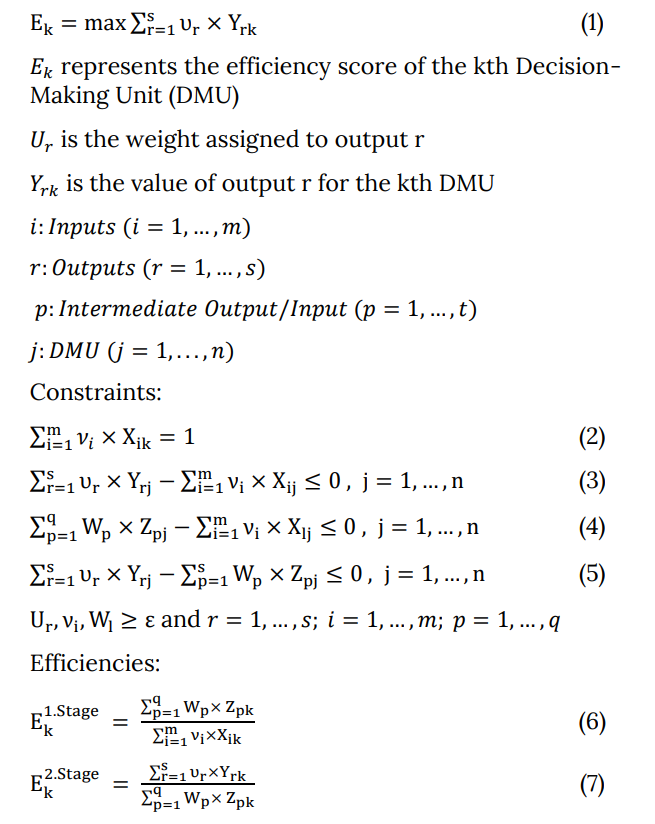
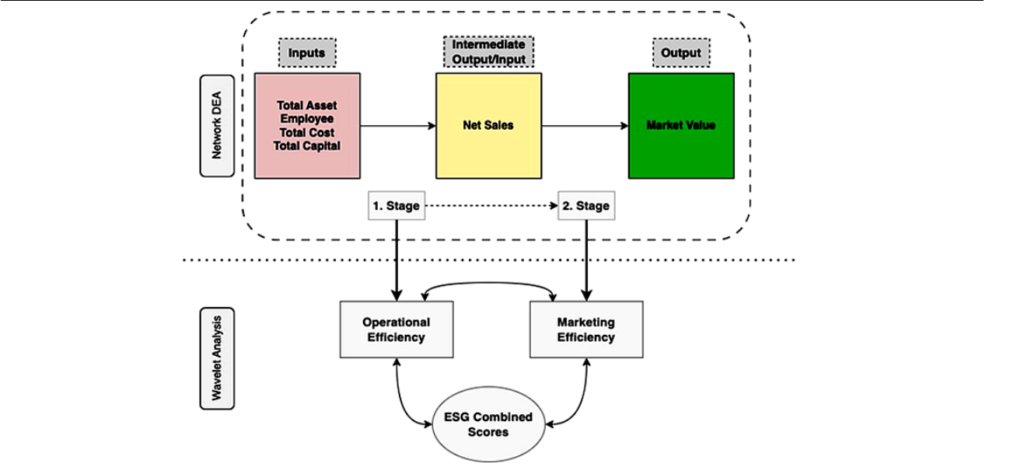
Figure 1 Summary of Methodology
Given the limited number of firms in the aircraft manufacturing market, Window analysis was integrated into the Network DEA methodology to enhance the robustness and comprehensiveness of efficiency measurements. This methodological framework builds upon the theoretical foundations established by Charnes et al. (1983) and incorporates the implementation model developed by Halkos and Tzeremes (2009). Following Asmild et al. (2004) empirical findings, a three-period window width was adopted. This methodological integration enables a rigorous efficiency analysis of the oligopolistic market structure characterizing the aircraft manufacturing sector. In the second step, the relationship between the operational and market efficiency of the aircraft manufacturers and the ESG composite score is examined. Wavelet analysis is used to determine this relationship. Wavelet analysis is the preferred method for analyzing periodic events in a time series and the way in which these events change over time. In contrast to traditional cointegration analysis, wavelet analysis can show how the relationships between variables change over different time periods and at different frequencies. It can decompose the effects of factors such as economic shocks and industry dynamics, making it ideal for analyzing long-term financial and operational data. The absence of stationarity requirements makes this method more robust to the analysis of the aviation industry, which is subject to significant cyclical patterns and structural changes, than traditional time series approaches (Ramsey and Lampart, 1998; Kyung Hwan Kim and Kim, 2003; Fan and Gençay, 2010; Paç and Öner, 2024). For this, the WaveletComp package was used in the R program (Rösch and Schmidbauer, 2016). The following steps are followed in Wavelet analysis:
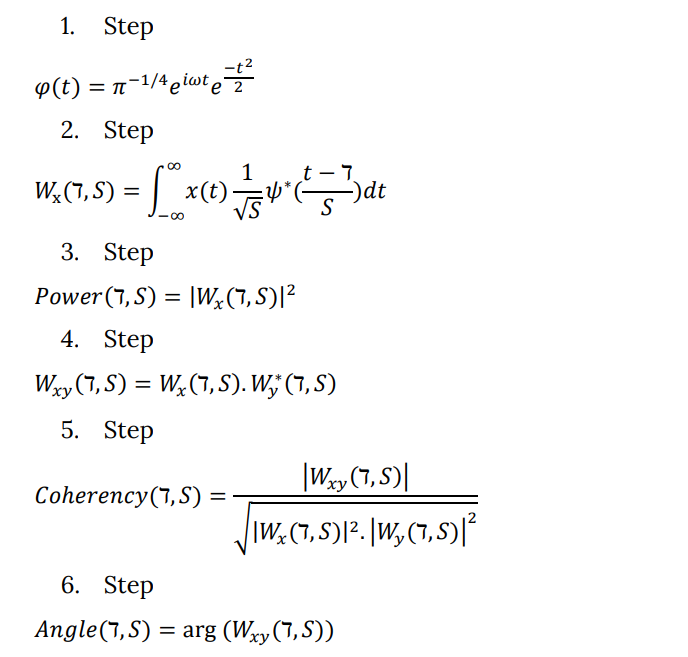
By performing the aforementioned steps in Wavelet analysis, the need to test for stationarity in the data can be eliminated. Wavelet analysis, which reveals the strength of effects at different frequencies, provides an opportunity to analyze both the strength and direction of interactions between variables by distinguishing across two dimensions – time and frequency (Ramsey, 2002; Crowley, 2007). The wavelet analysis approach emerges as a particularly effective method due to its ability to differentiate between the spectral properties of unit root processes and short-memory stationary processes. This analytical technique’s distinctive advantage lies in its capacity to decompose the spectral behavior of these processes. The methodology’s robust capability to handle such decomposition, combined with its ability to capture temporal variations in relationships, makes it particularly suitable for the present study. In addition, interpreting the analytical work was supported by Rösch and Schmidbauer (2016), Varlik (2017), Torun and Demireli (2022), Çelik et al. (2023) and Çobanoğulları (2024) studies. A summary of the methodology, along with the variables used, is presented in Figure 1. The first section employs Window Network Data DEA to evaluate the efficiency of aircraft manufacturers, with the model implemented using GAMS 48 software. Subsequently, in the second section, the relationship between operational and marketing efficiency scores (derived from Window Network DEA) and Environmental, Social, and Governance (ESG) combined scores is examined using Wavelet coherence analysis implemented in R programming environment, utilizing the WaveletComp package.
4. Results and Discussion
The results of the two-stage Window Network DEA analysis, illustrating the operational and market efficiency scores of aircraft manufacturers, are presented in Figures 2 and 3, with detailed efficiency scores provided in the Appendix I to V. The initial analysis focused on the manufacturers’ operational efficiency over a 20-year period. The operational efficiency scores revealed a hierarchical order with Embraer leading (0.973), followed by Airbus (0.946), Boeing (0.902), and Bombardier (0.868). However, market efficiency scores demonstrated a different pattern, with Boeing achieving the highest score (0.723), followed by Embraer (0.643), Airbus (0.460), and Bombardier (0.192). As noted by Woo et al. (2021), Embraer’s dual performance in both operational and market efficiency is particularly noteworthy, considering the market’s dominance by Boeing and Airbus. A significant finding relates to Bombardier’s strategic shift toward lowercapacity regional jet production post-2020, which yielded contrasting effects: enhancing operational efficiency while adversely impacting market efficiency. These findings align with the operational and market efficiency differentials observed in two-stage Network DEA studies of airlines utilizing these manufacturers’ aircraft. Both manufacturing and airline sectors demonstrated vulnerability to external shocks, particularly during financial crisis and pandemic periods. A notable pattern emerged wherein operational efficiency maintained relative stability while market efficiency experienced substantial decline. The analysis suggests that during periods of economic shock, firms successfully maintained operational continuity by implementing cost optimization strategies before reaching their shutdown point (where average variable costs meet revenue). This strategic approach enabled operational sustainability despite compressed profit margins. Figures 2 and Figure 3 show different patterns of efficiency across manufacturers. There are notable differences between the operational and market dimensions, which provide important insights into industry dynamics. These findings on aircraft manufacturers’ operational and market efficiency provide important insights into competitive dynamics and strategic positioning in the industry. Embraer’s strong performance in both operational efficiency (0.973) and market efficiency (0.643) is particularly noteworthy in a market dominated by Boeing and Airbus. This may be due to Embraer’s focused strategy in the regional jet market and its effective use of economies of scale.
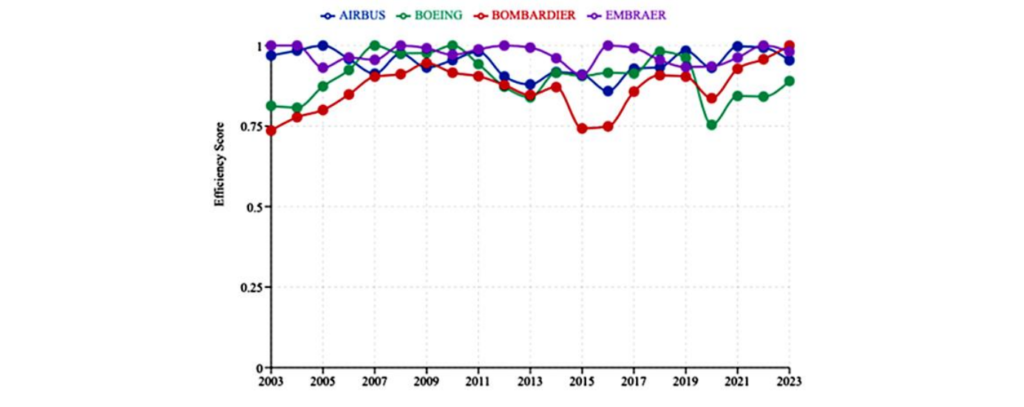
Figure 2 Operating Efficiency of Aircraft Manufacturers
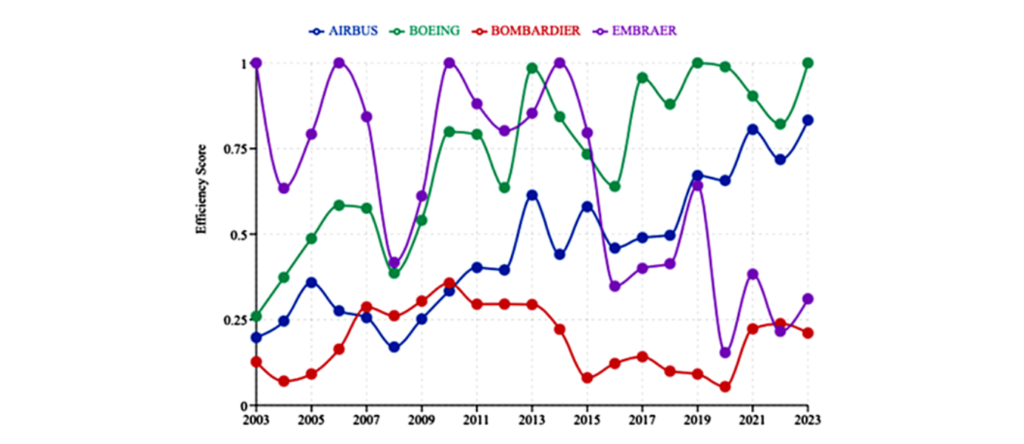
Figure 3 Marketing Efficiency of Aircraft Manufacturers
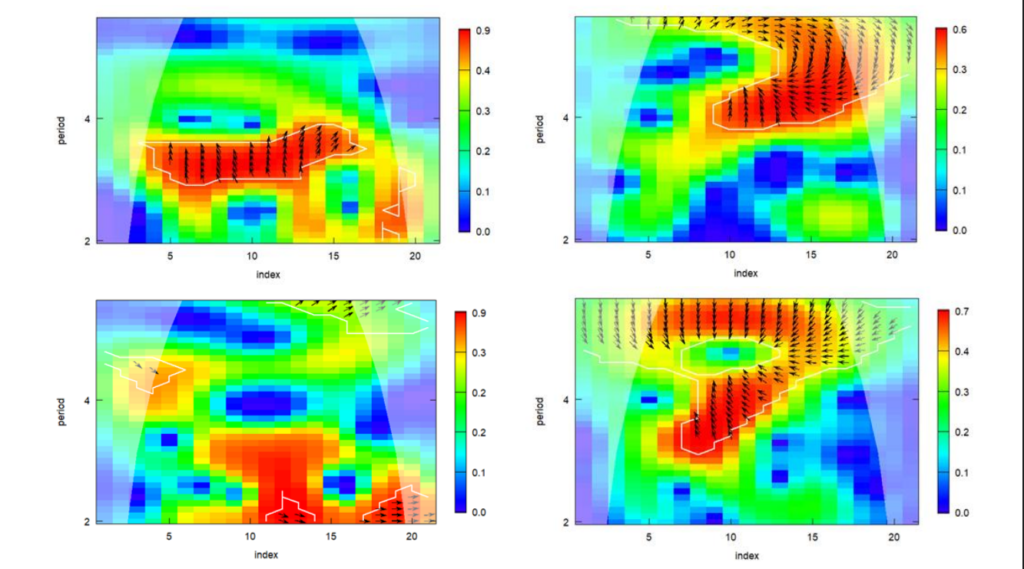
Figure 4 Airbus Operating Efficiency – ESG Combined Figure 5 Boeing Operating Efficiency – ESG Combined
Score / Marketing Efficiency – ESG Combined Score Score / Marketing Efficiency – ESG Combined Score
Boeing’s leading position in market efficiency (0.723) reflects its strong brand equity, global market reach and successful investor relations management. Airbus’ high performance in operational efficiency (0.946) reflects the company’s optimization of production processes and efficiency in resource management, while its relatively low performance in market efficiency (0.460) reflects the difficulty of market strategies in translating operational success into financial value. Bombardier’s strategic shift towards the production of lower capacity regional jets after 2020 improved its operational efficiency (0.868 with an upward trend) but had a negative impact on its market efficiency (lowest at 0.192). This suggests that focusing on niche markets may provide operational benefits but may create challenges in terms of market value.
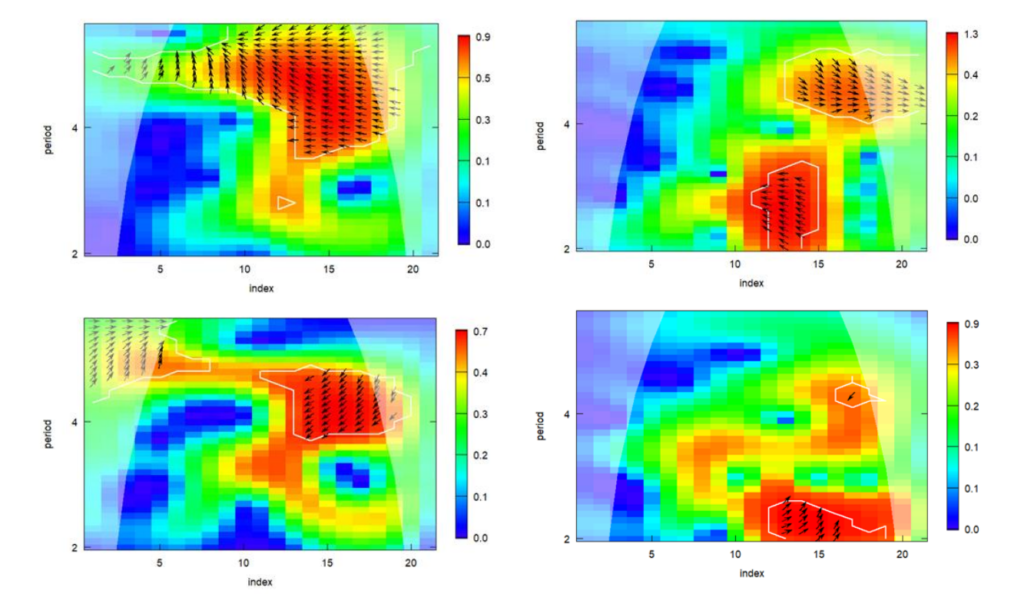
Figure 6 Bombardier Operating Efficiency – ESG Figure 7 Embraer Operating Efficiency – ESG Combined Score / Marketing Efficiency – ESG Combined Score Marketing Efficiency – ESG Combined Score
Combined Score
A notable finding is that for all manufacturers, operational efficiency remained relatively stable during the financial crisis and pandemic periods, while market efficiency declined significantly. This suggests that during periods of economic shocks, companies may be able to ensure operational sustainability by implementing cost optimization strategies before reaching the break-even point where average variable costs cover revenues, but the contraction of profit margins affects their market value. In the second part of the analysis, the relationship between operational and market efficiency scores and ESG combined scores was examined using Wavelet coherence analysis. The manufacturer-specific findings reveal distinctive patterns of correlation between efficiency metrics and ESG performance. The color scale in Figure X represents the coherence values, with warmer colors (red) indicating a higher coherence (stronger correlation) and cooler colors (blue) indicating a lower coherence (weaker correlation). The results of the wavelet analysis reveal both temporal and structural features of the relationship between ESG performance and efficiency measures. This analysis is important as it shows how the impact of ESG integration differs in the short term (2-4 years) and in the long term (10-15 years). The analysis of Airbus demonstrates a robust correlation (0.7-0.9 coherence) between operational efficiency and ESG performance, particularly evident in 3–4-year cycles in Figure 4. The persistence of this relationship throughout the 5–15-year timeframe suggests a structural rather than transitory connection. Regarding marketing efficiency, the analysis identified a strong correlation (0.9 coherence) during the 10–15-year interval, specifically within 2–3-year periods. However, the presence of low correlation values (0.0-0.3 coherence) in other periods indicates temporal variability in this relationship, suggesting that the marketing efficiency-ESG performance link is subject to cyclical fluctuations. Boeing’s analysis reveals different patterns, with operational efficiency and ESG performance showing a moderate correlation (0.3-0.5 coherence) in the 10–15- year range and 4-year period, indicating a lower level of integration compared to Airbus in Figure 5. However, the marketing efficiency analysis demonstrates a notably stronger correlation (0.4-0.7 coherence) in the 8–15- year range and 3-4-year period, suggesting that Boeing’s ESG performance is more effectively integrated with its marketing strategies than its operational processes Bombardier’s results demonstrate the highest sectorwide correlation (0.5-0.9 coherence) between operational efficiency and ESG performance, particularly evident in the 10–15-year range and 4-year period in Figure 6. The marketing efficiency analysis shows a moderate correlation (0.4-0.7 coherence) in the 12–15-year range. Notably, the low correlation values (0.0-0.1 coherence) in the early period data indicate a progressive strengthening of ESG integration over time, suggesting an evolving strategic approach to sustainability performance. Embraer’s results exhibit a unique dual-correlation pattern in operational efficiency within the 12–15-year range, characterized by a remarkably high correlation (1.0-1.3 coherence) in the 2–3-year period and a moderate correlation (0.4 coherence) in the 4-year period in Figure 7. The marketing efficiency analysis reveals a particularly strong correlation (0.9 coherence) in the more recent 15–20-year range, especially within 2-year cycles. This pattern suggests a recent and successful integration of ESG performance metrics into Embraer’s marketing strategies, indicating an evolution in the company’s approach to sustainability management. The strong correlation between Airbus’ operational efficiency and ESG performance (0.7-0.9 coherence) suggests that the company has successfully integrated sustainability initiatives into its operational processes. This relationship, particularly observed in 3-4 year cycles, indicates that Airbus’ environmental initiatives, such as emissions reduction, energy efficiency and waste management, are translating into operational cost benefits. The strong correlation in marketing efficiency (0.9 coherence) is evident in the 10–15-year range, suggesting that the impact of ESG investments on market value occurs over the longer term. Boeing’s moderate correlation between operational efficiency and ESG performance (0.3-0.5 coherence) suggests that the company has experienced some challenges in integrating sustainability initiatives into operational processes. In contrast, the stronger correlation in marketing efficiency (0.4-0.7 coherence) suggests that Boeing integrates ESG performance into marketing strategies more effectively than into operational processes. This may reflect the company’s success in sustainability communication and investor relations. Bombardier’s correlation between operational efficiency and ESG performance is the highest in the industry (0.5- 0.9 coherence), suggesting that the company’s sustainability-focused operational transformation has been effective. The low correlation values in the early data (0.0-0.1 coherence) suggest that ESG integration has strengthened over time and the strategic approach has evolved. Embraer’s results show a unique pattern of dual correlation in operational efficiency, with an exceptionally high correlation in 2–3-year cycles (1.0-1.3 coherence) and a moderate correlation in 4-year cycles (0.4 coherence). This demonstrates the rapid integration of the company’s short-term sustainability initiatives into operational processes. The analysis of marketing efficiency shows a particularly strong correlation (0.9 coherence) in the more recent 15–20-year range, suggesting that Embraer has successfully integrated ESG performance metrics into its marketing strategies. The findings of this study, which examines the relationship between ESG performance and operational and market efficiency in the airline industry, show important parallels with the existing literature and offer new theoretical insights. When compared with FangChen Kao et al. (2022) airline industry findings, similar patterns emerge, particularly with respect to the longterm relationship between operational efficiency and ESG performance. The current study adds a new analytical dimension to the literature by revealing the temporal dynamics of this relationship using wavelet coherence analysis. The strong correlation between Airbus’ operational efficiency and ESG performance (0.7- 0.9 coherence) confirms the findings of Bin Wang et al. (2025). However, the observed periodic fluctuations in marketing efficiency suggest that ESG integration is heterogeneously manifested in different operational processes, which points to an underexplored area in existing research. Boeing’s results align with Ji et al. (2023) technical efficiency framework. Notably, the strong correlation in marketing efficiency (0.4-0.7 coherence) confirms Lujie Chen (2015) observations regarding the integration of ESG performance with market-oriented strategies. Bombardier and Embraer show patterns consistent with Qiang Cao et al. (2024) and Buallay (2019) in the banking sector. Bombardier’s strong operational efficiency correlation (0.5-0.9 coherence) and Embraer’s robust marketing efficiency relationship (0.9 coherence) suggest that organizational scale and market segmentation may act as important moderating variables in the ESG-efficiency relationship. This study goes beyond previous research in the literature by demonstrating both the temporal and structural nature of the effects of ESG performance on efficiency. This research also makes a methodological contribution by using a combination of Window Network DEA and wavelet analysis to capture both the efficiency measurement and the time-varying relationships, an approach that has not been used in the aviation sustainability literature to date. In particular, the strong correlations observed over 10–15-year periods suggest that ESG integration requires a long-term strategic approach beyond the short-term focus common in the literature. This finding provides an important theoretical contribution to sustainability research.
5. Conclusions
This study analyzes 20 years of performance of listed aircraft manufacturers and examines the impact of ESG performance on their operational and market efficiency. The research makes important theoretical, methodological and managerial contributions. The study measures the performance of a limited number of aircraft manufacturers in the marketplace through the use of Window Network DEA analysis. Wavelet coherence analysis was used to examine the relationship between efficiency scores and ESG combined scores, which include environmental, social and governance components. Wavelet coherence analysis provides statistical robustness through its ability to distinguish between unit root processes and short-run stationary processes in the spectral properties. From a theoretical perspective, the study makes an important contribution to the literature by shedding light on the time dimension of the impact of ESG performance on efficiency. The strong correlations observed over 10–15-year periods suggest that ESG integration requires a long-term strategic approach beyond the short-term focus common in the existing literature. This finding highlights the need to extend sustainability research in terms of time horizons and strategic impact assessment. The time dimension identified in this study suggests that ESG rating systems in the aviation sector should adopt longer time horizons to capture the full impact of sustainability initiatives. Methodologically, the application of wavelet coherence analysis allowed the dynamic nature of the ESGefficiency relationship to be explored. This approach goes beyond the static analysis methods prevalent in the literature and provides insights into understanding the temporal evolution of the ESG-efficiency relationship. The framework developed here could be applied to other oligopolistic industries to investigate similar ESGefficiency relationships. From a managerial perspective, the results suggest that the impact of ESG integration on both operational and marketing efficiency exhibits firm-specific variation, and this heterogeneity suggests that ESG strategies need to be tailored to individual firm characteristics and operational contexts. Specific recommendations for aircraft manufacturers may include: Develop long-term (10-15 years) strategic planning frameworks for ESG integration to enable sustainable value creation beyond short-term performance indicators; Recognizing that environmental (E) initiatives mostly affect operational efficiency, while governance (G) factors tend to affect market efficiency, so strategic focus on ESG components should be aligned with business priorities; recognizing that market segmentation and company size are important moderating variables in the impact of ESG integration, with smaller and niche manufacturers (such as Embraer and Bombardier) needing to tailor sustainability initiatives to specific market segments; and understanding that during periods of economic shocks (financial crises, pandemics) the relationship between ESG performance and operational efficiency tends to be stronger, suggesting that sustainabilitydriven management can contribute to crisis resilience. Future research opportunities include investigating the discrete effects of ESG (environmental, social and governance) performance subcomponents on efficiency metrics. In addition, examining the impact of global disruptive events, such as the COVID-19 pandemic, on this relationship could provide valuable insights. These lines of research would improve our understanding of the relationship between ESG performance and firm efficiency and contribute to the development of more effective sectoral policies
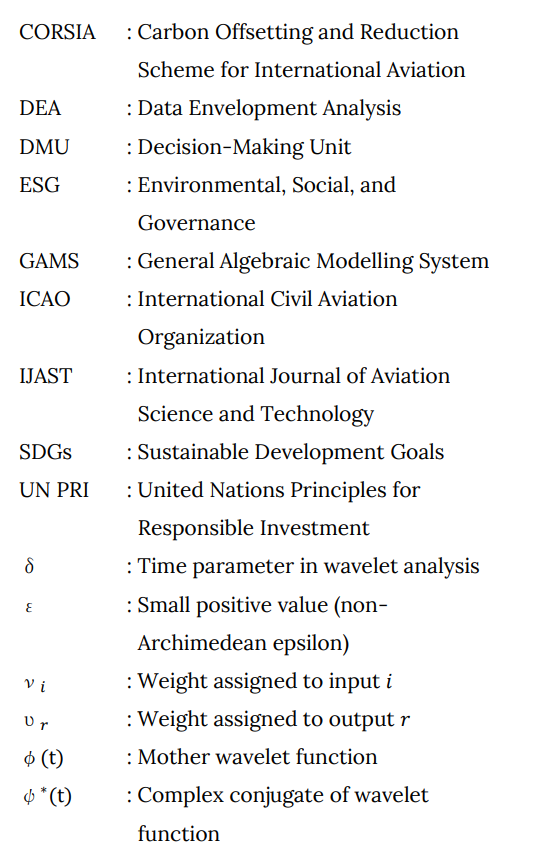
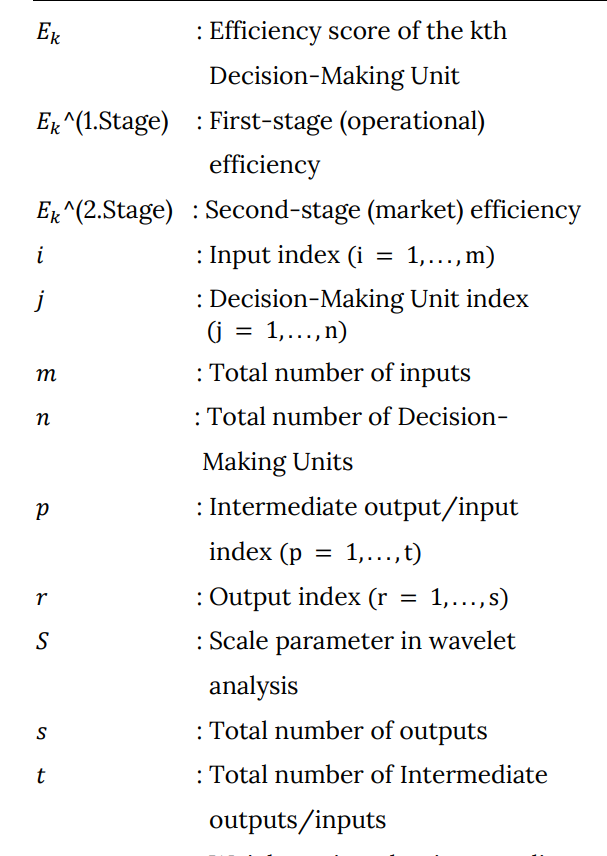
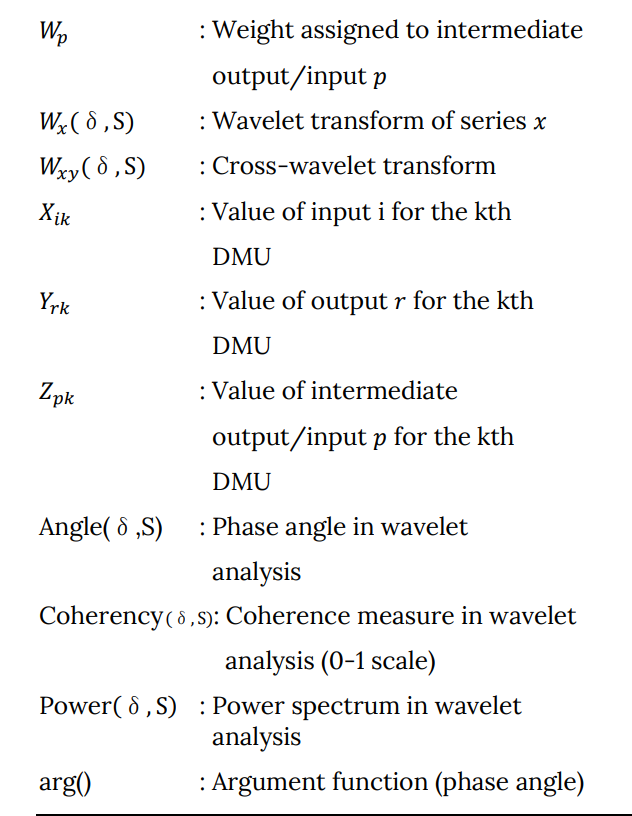
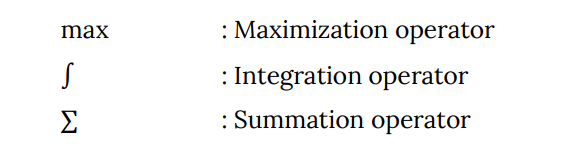
Nomenclature
CRediT Author Statement
Murat Ahmet Doğan: Conceptualization, Investigation,
Data curation, Writing- Original draft preparation,
Methodology, Software, Visualization and WritingReviewing and Editing.
References
-
Alam, I.M.S. and Sickles, R.C., 1998. The relationship between stock market returns and technical efficiency innovations: evidence from the US airline industry. Journal of Productivity Analysis, 9(1), pp.35-51.
-
Alam, I.M.S., Ross, L.B. and Sickles, R.C., 2001. Time series analysis of strategic pricing behavior in the US airline industry. Journal of Productivity Analysis, 16(1), pp.49-62.
-
Alpman, E. and Göğüş, A.Y., 2017. Havacılıkta sürdürülebilir gelişme göstergeleri [Sustainability development indicators in aviation]. Sürdürülebilir Havacılık Araştırmaları Dergisi, 2(1), pp.1-11.
-
Anis, I., Gani, L., Fauzi, H., Hermawan, A.A. and Adhariani, D., 2023. The sustainability awareness of banking institutions in Indonesia, its implication on profitability by the mediating role of operational efficiency. Asian Journal of Accounting Research, 8(4), pp.356-372.
-
Arjomandi, A. and Seufert, J.H., 2014. An evaluation of the world’s major airlines’ technical and environmental performance. Economic Modelling, 41, pp.133-144.
-
Asmild, M., Paradi, J.C., Aggarwall, V. and Schaffnit, C., 2004. Combining DEA window analysis with the Malmquist index approach in a study of the Canadian banking industry. Journal of Productivity Analysis, 21(1), pp.67-89.
-
Assaf, A., 2011. A fresh look at the productivity and efficiency changes of UK airlines. Applied Economics, 43(17), pp.2165-2175.
-
Barbot, C., Costa, Á. and Sochirca, E., 2008. Airlines performance in the new market context: a comparative productivity and efficiency analysis. Journal of Air Transport Management, 14(5), pp.270-274.
-
Barros, C.P. and Couto, E., 2013. Productivity analysis of European airlines, 2000-2011. Journal of Air Transport Management, 31, pp.11-13.
-
Barros, C.P. and Peypoch, N., 2009. An evaluation of European airlines’ operational performance. International Journal of Production Economics, 122(2), pp.525-533.
-
Barros, C.P. and Wanke, P., 2015. An analysis of African airlines efficiency with two-stage TOPSIS and neural networks. Journal of Air Transport Management, 44, pp.90-102.
-
Barros, C.P., Liang, Q.B. and Peypoch, N., 2013. The technical efficiency of US airlines. Transportation Research Part A: Policy and Practice, 50, pp.139-148.
-
Bojnec, Š. and Papler, D., 2011. Economic efficiency, energy consumption and sustainable development. Journal of Business Economics and Management, 12(2), pp.353-374.
-
Buallay, A., 2019. Is sustainability reporting (ESG) associated with performance? Evidence from the European banking sector. Management of Environmental Quality: An International Journal, 30(1), pp.98-115.
-
Budd, L., Griggs, S. and Howarth, D., 2013. Sustainable aviation futures: crises, contested realities and prospects for change. In Sustainable Aviation Futures (pp.3-35). Emerald Group Publishing Limited.
-
Cao, Q., Lv, J. and Zhang, J., 2015. Productivity efficiency analysis of the airlines in China after deregulation. Journal of Air Transport Management, 42, pp.135-140.
-
Cao, Q., Zhu, T. and Yu, W., 2024. ESG investment and bank efficiency: evidence from China. Energy Economics, 133, p.107516.
-
Chang, H.J., 2015. Economics: The User’s Guide. Bloomsbury Publishing USA.
-
Charnes, A., Clark, C.T., Cooper, W.W. and Golany, B., 1983. A Developmental Study of Data Envelopment Analysis in Measuring the Efficiency of Maintenance Units in the US Air Forces. Texas University at Austin Center for Cybernetic Studies.
-
Chen, L., 2015. Sustainability and Company Performance: Evidence from the Manufacturing Industry. Linköping University Electronic Press.
-
Chen, Z., Tzeremes, P. and Tzeremes, N.G., 2018. Convergence in the Chinese airline industry: a Malmquist productivity analysis. Journal of Air Transport Management, 73, pp.77-86.
-
Chen, Z., Wanke, P., Antunes, J.J.M. and Zhang, N., 2017. Chinese airline efficiency under CO2 emissions and flight delays: a stochastic network DEA model. Energy Economics, 68, pp.89-108.
-
Chiou, Y.C. and Chen, Y.H., 2006. Route-based performance evaluation of Taiwanese domestic airlines using data envelopment analysis. Transportation Research Part E: Logistics and Transportation Review, 42(2), pp.116-127.
-
Crowley, P.M., 2007. A guide to wavelets for economists. Journal of Economic Surveys, 21(2), pp.207-267.
-
Çelik, T., Koçoğlu, M. and Soysal, M.D., 2023. Dışsal şoklar, uluslararası petrol fiyatları, para arzı ve enflasyon arasındaki dinamik ilişkilerin analizi: sürekli dalgacık yaklaşımından kanıtlar. Ekonomi Politika ve Finans Araştırmaları Dergisi, 8(2), pp.335-353.
-
Çobanoğulları, G., 2024. Kamu borcu ve ekonomik büyüme dinamiklerinin dalgacık analizi: 6 Avro bölgesi ekonomisinden kanıt. Ömer Halisdemir Üniversitesi İktisadi ve İdari Bilimler Fakültesi Dergisi, 17(4), pp.925-943.
-
Distexhe, V. and Perelman, S., 1994. Technical efficiency and productivity growth in an era of deregulation: the case of airlines. Swiss Journal of Economics and Statistics, 130(4), pp.669-689.
-
Dobson, A., 2017. A History of International Civil Aviation: From Its Origins Through Transformative Evolution. Routledge.
-
Doğan, M.A., Doğan, E.M. and Eren, M., 2024. Comparative network efficiency analysis of the airlines in Turkey after deregulation. Bulletin of Economic Theory and Analysis, 9(1), pp.185-218.
-
Dong, P., Qiao, K. and Yang, M., 2015. Operational efficiency across the Chinese aerospace industry: a DEA and Malmquist analysis. Chinese Management Studies, 9(4), pp.553-570.
-
Duygun, M., Prior, D., Shaban, M. and Tortosa-Ausina, E., 2016. Disentangling the European airlines efficiency puzzle: a network data envelopment analysis approach. Omega, 60, pp.2-14.
-
Duygun, M., Shaban, M., Sickles, R.C. and Weyman-Jones, T., 2013. Efficiency and productivity change in the European airlines industry in the post liberalization era. [Online] Available at: https://bpb-us-e1.wpmucdn.com/blogs.rice.edu/dist/f/3154/files/2014/03/Dugan-et-al.-2013.pdf (Accessed 25 January 2026).
-
Efthymiou, M. and Papatheodorou, A., 2018. Evolving airline and airport business models. In The Routledge Companion to Air Transport Management (pp.122-135). Routledge.
-
Ersoy, E., Swiecka, B., Grima, S., Özen, E. and Romanova, I., 2022. The impact of ESG scores on bank market value? Evidence from the US banking industry. Sustainability, 14(15), p.9527.
-
Fan, Y. and Gençay, R., 2010. Unit root tests with wavelets. Econometric Theory, 26(5), pp.1305-1331.
-
Fethi, M.D., Jackson, P.M. and Weyman-Jones, T.G., 2000. Measuring the efficiency of European airlines: an application of DEA and Tobit analysis. Working paper, University of Leicester, Leicester.
-
Goetz, A.R. and Vowles, T.M., 2009. The good, the bad, and the ugly: 30 years of US airline deregulation. Journal of Transport Geography, 17(4), pp.251-263.
-
Golich, V.L., 1992. From competition to collaboration: the challenge of commercial-class aircraft manufacturing. International Organization, 46(4), pp.899-934.
-
Good, D.H., Röller, L.H. and Sickles, R.C., 1995. Airline efficiency differences between Europe and the US: implications for the pace of EC integration and domestic regulation. European Journal of Operational Research, 80(3), pp.508-518.
-
Graham, D.R., Kaplan, D.P. and Sibley, D.S., 1983. Efficiency and competition in the airline industry. The Bell Journal of Economics, 14(1), pp.118-138.
-
Gramani, M.C.N., 2012. Efficiency decomposition approach: a cross-country airline analysis. Expert Systems with Applications, 39(5), pp.5815-5819.
-
Guimarans, D., Arias, P., Tomasella, M. and Wu, C.L., 2019. A review of sustainability in aviation: a multidimensional perspective. In Sustainable Transportation and Smart Logistics (pp.91-121). Elsevier.
-
Halkos, G.E. and Tzeremes, N.G., 2009. Exploring the existence of Kuznets curve in countries’ environmental efficiency using DEA window analysis. Ecological Economics, 68(7), pp.2168-2176.
-
Hasan, R., Mitra, D. and Sundaram, A., 2013. The determinants of capital intensity in manufacturing: the role of factor market imperfections. World Development, 51, pp.91-103.
-
Iazzolino, G., Bruni, M.E., Veltri, S., Morea, D. and Baldissarro, G., 2023. The impact of ESG factors on financial efficiency: an empirical analysis for the selection of sustainable firm portfolios. Corporate Social Responsibility and Environmental Management, 30(4), pp.1917-1927.
-
ICAO, 2025. ICAO global coalition for sustainable aviation. [Online] Available at: https://www.icao.int/environmental-protection/SAC/Pages/learn-more.aspx (Accessed 25 January 2026).
-
Ionescu, G.H., Firoiu, D., Pirvu, R. and Vilag, R.D., 2019. The impact of ESG factors on market value of companies from travel and tourism industry. Technological and Economic Development of Economy, 25(5), pp.820-849.
-
Irwin, D.A. and Pavcnik, N., 2004. Airbus versus Boeing revisited: international competition in the aircraft market. Journal of International Economics, 64(2), pp.223-245.
-
Jain, R.K. and Natarajan, R., 2015. A DEA study of airlines in India. Asia Pacific Management Review, 20(4), pp.285-292.
-
Ji, L., Sun, Y., Liu, J. and Chiu, Y.H., 2023. Environmental, social, and governance (ESG) and market efficiency of China’s commercial banks under market competition. Environmental Science and Pollution Research, 30(9), pp.24533-24552.
-
Judzik, D. and Sala, H., 2015. The determinants of capital intensity in Japan and the US. Journal of the Japanese and International Economies, 35, pp.78-98.
-
Kaffash, S. and Khezrimotlagh, D., 2023. US network and low-cost carriers’ performance in response to COVID-19: strictness of government policies and passengers’ panic. Research in Transportation Business & Management, 46, p.100835.
-
Kao, C. and Hwang, S.N., 2008. Efficiency decomposition in two-stage data envelopment analysis: an application to non-life insurance companies in Taiwan. European Journal of Operational Research, 185(1), pp.418-429.
-
Kao, C. and Hwang, S.N., 2010. Efficiency measurement for network systems: IT impact on firm performance. Decision Support Systems, 48(3), pp.437-446.
-
Kao, F.C., Ting, I.W.K., Chou, H.C. and Liu, Y.S., 2022. Exploring the influence of corporate social responsibility on efficiency: an extended dynamic data envelopment analysis of the global airline industry. Sustainability, 14(19), p.12712.
-
Khezrimotlagh, D., Kaffash, S. and Zhu, J., 2022. US airline mergers’ performance and productivity change. Journal of Air Transport Management, 102, p.102226.
-
Kim, K.H. and Kim, S.J., 2003. A wavelet-based method for action potential detection from extracellular neural signal recording with low signal-to-noise ratio. IEEE Transactions on Biomedical Engineering, 50(8), pp.999-1011.
-
Kim, N.H., He, F. and Kwon, O.C., 2023. Combining common-weights DEA window with the Malmquist index: a case of China’s iron and steel industry. Socio-Economic Planning Sciences, 87, p.101596.
-
Kottas, A.T. and Madas, M.A., 2018. Comparative efficiency analysis of major international airlines using data envelopment analysis: exploring effects of alliance membership and other operational efficiency determinants. Journal of Air Transport Management, 70, pp.1-17.
-
Kronemer, A. and Henneberger, J.E., 1993. Productivity in aircraft manufacturing. Monthly Labor Review, 116, p.24.
-
Lee, B.L. and Worthington, A.C., 2014. Technical efficiency of mainstream airlines and low-cost carriers: new evidence using bootstrap data envelopment analysis truncated regression. Journal of Air Transport Management, 38, pp.15-20.
-
Lu, W.M., Wang, W.K., Hung, S.W. and Lu, E.T., 2012. The effects of corporate governance on airline performance: production and marketing efficiency perspectives. Transportation Research Part E: Logistics and Transportation Review, 48(2), pp.529-544.
-
Mallikarjun, S., 2015. Efficiency of US airlines: a strategic operating model. Journal of Air Transport Management, 43, pp.46-56.
-
Merkert, R. and Hensher, D.A., 2011. The impact of strategic management and fleet planning on airline efficiency. Transportation Research Part A: Policy and Practice, 45(7), pp.686-695.
-
Mhlanga, O., Steyn, J. and Spencer, J., 2018. The airline industry in South Africa: drivers of operational efficiency and impacts. Tourism Review, 73(3), pp.385-405.
-
Miszczynska, K. and Miszczyński, P.M., 2022. Measuring the efficiency of the healthcare sector in Poland–a window-DEA evaluation. International Journal of Productivity and Performance Management, 71(7), pp.2743-2770.
-
Öztürk, O. and Göktepe, H., 2024. Modern havacılık sektöründe alternatif enerji kaynakları: sürdürülebilirlik hedeflerine doğru adımlar. Journal of Aerospace Science and Management, 2(1), pp.21-42.
-
Paç, D.A. and Öner, Y., 2024. On the nexus between CO2 emissions and the air transportation sector in the European Union and Turkey: accessing evidence from wavelet coherence analysis. Environmental Science and Pollution Research, 31(3), pp.4310-4317.
-
Pham, T.N. et al., 2022. The effects of ESG combined score on business performance of enterprises in the transportation industry. Sustainability, 14(14), p.8354.
-
Pingle, T., 2024. COMAC’s impact on the future of the Airbus-Boeing duopoly. Michigan Journal of Economics, 1(1), pp.1-25.
-
Ramsey, J.B., 2002. Wavelets in economics and finance: past and future. Studies in Nonlinear Dynamics & Econometrics, 6(3), pp.1-29.
-
Ramsey, J.B. and Lampart, C., 1998. Decomposition of economic relationships by timescale using wavelets. Macroeconomic Dynamics, 2(1), pp.49-71.
-
Refinitiv, 2023. Environmental, social and governance scores from Refinitiv. [Online] Available at: https://www.lseg.com/content/dam/data-analytics/en_us/documents/methodology/lseg-esg-scores-methodology.pdf (Accessed 25 January 2026).
-
Rösch, A. and Schmidbauer, H., 2016. WaveletComp 1.1: a guided tour through the R package. [Online] Available at: http://www.hs-stat.com/projects/WaveletComp/WaveletComp_guided_tour.pdf (Accessed 25 January 2026).
-
Sakthidharan, V. and Sivaraman, S., 2018. Impact of operating cost components on airline efficiency in India: a DEA approach. Asia Pacific Management Review, 23(4), pp.258-267.
-
Soltanzadeh, E. and Omrani, H., 2018. Dynamic network data envelopment analysis model with fuzzy inputs and outputs: an application for Iranian airlines. Applied Soft Computing, 63, pp.268-288.
-
Tarmuji, I., Maelah, R. and Tarmuji, N.H., 2016. The impact of environmental, social and governance practices (ESG) on economic performance: evidence from ESG score. International Journal of Trade, Economics and Finance, 7(3), p.67.
-
Torun, E. and Demireli, E., 2022. Petrol ve döviz piyasaları arasındaki nedensellik ilişkileri: dalgacık (wavelet) analizi ile bir uygulama. İzmir İktisat Dergisi, 37(3), pp.714-739.
-
Varlik, B., 2017. Borsa İstanbul’da (BIST) hisse senedi fiyatlarının spektral analizi. Unpublished master’s thesis, Marmara University, Istanbul.
-
Voltes-Dorta, A., Britto, R. and Wilson, B., 2024. Efficiency of global airlines incorporating sustainability objectives: a Malmquist-DEA approach. Journal of Air Transport Management, 119, p.102634.
-
Wang, B., Wei, C., Shi, L., Cheng, X. and Shi, X., 2025. ESG and firm operational efficiency: evidence from Chinese listed companies. Environment, Development and Sustainability, 27(1), pp.1-34.
-
Wang, C.N., Tsai, T.T., Hsu, H.P. and Nguyen, L.H., 2019. Performance evaluation of major Asian airline companies using DEA window model and grey theory. Sustainability, 11(9), p.2701.
-
Wanke, P. and Barros, C.P., 2016. Efficiency in Latin American airlines: a two-stage approach combining virtual frontier dynamic DEA and simplex regression. Journal of Air Transport Management, 54, pp.93-103.
-
Wanke, P., Barros, C.P. and Chen, Z., 2015. An analysis of Asian airlines efficiency with two-stage TOPSIS and MCMC generalized linear mixed models. International Journal of Production Economics, 169, pp.110-126.
-
Whyte, R. and Lohmann, G., 2016. Airline business models. In Air Transport Management: An International Perspective (pp.107-121). Ashgate.
-
Williams, G., 2017. The Airline Industry and the Impact of Deregulation. Routledge.
-
Woo, A. et al., 2021. An analysis of the competitive actions of Boeing and Airbus in the aerospace industry based on the competitive dynamics model. Journal of Open Innovation: Technology, Market, and Complexity, 7(3), p.192.
-
Yoon, B., Lee, J.H. and Byun, R., 2018. Does ESG performance enhance firm value? Evidence from Korea. Sustainability, 10(10), p.3635.
-
Yu, H. et al., 2019. A comparative study of airline efficiency in China and India: a dynamic network DEA approach. Research in Transportation Economics, 76, p.100746.
-
Yu, M.M. and Rakshit, I., 2024. How to establish input and output targets for airlines with heterogeneous production technologies: a Nash bargaining DEA approach within the meta-frontier framework. Journal of Air Transport Management, 116, p.102576.
-
Yu, M.M. and See, K.F., 2023. Evaluating the efficiency of global airlines: a new weighted SBM-NDEA approach with non-uniform abatement factor. Research in Transportation Business & Management, 46, p.100860.
-
Zarbi, S., Shin, S.H. and Shin, Y.J., 2019. An analysis by window DEA on the influence of international sanction to the efficiency of Iranian container ports. The Asian Journal of Shipping and Logistics, 35(4), pp.163-171.
-
Zhou, Z., Chen, Y., Song, P. and Ding, T., 2020. China’s urban air quality evaluation with streaming data: a DEA window analysis. Science of the Total Environment, 727, p.138213.