
Abstract
The MRO shared services market has experienced significant growth in Southeast Asia. These services provide airline operators with enhanced opportunities to streamline spare part procurement, reduce maintenance costs for engines and components, and improve fleet availability. By understanding the MRO shared services framework in Southeast Asia— comprising repair workshops and maintenance centers at key regional hubs— synergies can be created to boost performance in a short time. The MRO purchasing process within these shared services generates notable cost savings and efficiency improvements for airlines. The market’s growth is driven by factors such as rising air traffic, increasing fleet sizes, and the need for regular maintenance and repairs to ensure safe, efficient aircraft operations. Compared to other countries in the ASEAN region, Vietnam, in particular, holds significant potential to position itself as a leading MRO hub in Southeast Asia. Its advantages include lower labor costs, a strategic location, and growing domestic demand for MRO services due to fleet expansions by airlines such as Vietnam Airlines, VietJet Air, Vietravel, and Bamboo Airways. However, to unlock this potential, Vietnam must address its shortcomings in infrastructure, technology adoption, and skilled workforce availability. Looking ahead, key trends are expected to shape the MRO shared services market, including expansion of MRO facilities, investments in technology, strategic partnerships and acquisitions, a focus on sustainability, and training and skills development. To capitalize on these trends, five essential measures should be adopted: investing in skill development, embracing digitalization, strengthening customer relationships, exploring partnerships and collaborations, and implementing sustainable initiatives.
Keywords
- MRO shared services
- Regional MRO hub
- Airlines efficiency
1. Introduction
Shared services have been widely researched across multiple disciplines offering insights into how organizations can centralize and standardize processes to improve efficiency, reduce costs, and enhance service quality, including:
• Definition and Purpose: Shared services refer to the consolidation of business operations (such as IT, HR, or finance) into a single entity that serves multiple parts of an organization. The primary objectives are cost reduction, quality improvement, and capability enhancement through process standardization and resource sharing (Fielt et al., 2014).
• Strategic Benefits: Shared services create value by enabling economies of scale and scope. By centralizing processes, organizations can minimize duplication, streamline workflows, and allocate resources more effectively. Shared services also allow for better alignment of operations with strategic goals, fostering innovation and agility (Fielt et al., 2014).
• Digital Transformation: Technological advancements, including automation, cloud-based solutions, and data analytics, play a key role in enhancing the effectiveness of shared services. Digitalization enables real-time monitoring, predictive insights, and process optimization, further improving service delivery (Fielt et al., 2014).
• Stakeholder Involvement: Successful shared service implementation requires collaboration across stakeholders, such as business units, leadership, and employees. Stakeholders must align on objectives, processes, and performance metrics to ensure a seamless transition and adoption (Fielt et al., 2014).
Overall, shared services serve as a strategic mechanism to achieve operational and financial efficiency while supporting broader organizational goals (Fielt et al., 2014; Jayaraman & Liu, 2019; Richter & Brühl, 2017). Continued advancements in digitalization and organizational design will further shape the role of shared services in modern enterprises. Shared services are regarded as a key approach to enhancing organizational performance (Wagenaar, 2006). Ruggini (2006) highlights that shared services typically encompass areas such as joint procurement, police and emergency services, and records management. The potential benefits of shared services include promoting efficiency, generating value, achieving cost savings, and improving service delivery for internal customers within the parent organization (Bergeron, 2003). Additionally, shared services play a significant role in bridging the gap between regional and local development by fostering collaboration and enhancing local service delivery (Michael et al., 2012).
In addition, literature reviews about shared services in the Maintenance, Repair, and Overhaul (MRO) industry and airline sectors reveal key findings around collaboration models, outsourcing strategies, and operational efficiencies.
• Shared Services Models and Collaboration: Shared services in MRO focus on reducing costs and improving efficiency by aligning operations across multiple stakeholders—airlines, OEMs, and third-party providers. Goncalves and Kokkolaras (2018) proposed a collaboration model that emphasizes shared facilities and aligned interests among these stakeholders, fostering resource optimization and regional synergies.
• Outsourcing Decisions and Business Models: A significant body of literature highlights outsourcing strategies in MRO as a way to enhance cost-efficiency. Airlines typically outsource non-core activities like engine repair and overhaul while retaining critical operations like line maintenance. Outsourcing of maintenance services has accounted for approximately 65% of airlines’ technical expenditures (Jackson et al., 2023). A decision model for outsourcing in the airline sector suggests that balancing cost, quality, and turnaround time is key to adopting shared services (Goncalves and Kokkolaras, 2018).
• Regional Competitiveness and Shared Service Development: Comparative studies in Northeast Asia (China, Japan, Korea) show that shared services benefit from strong workforce capabilities, geographic advantages, and technological developments. However, challenges such as high labor costs and workforce shortages necessitate strategic investments in shared service platforms to sustain competitiveness (Goncalves and Kokkolaras, 2018).
• Efficiency and Technological Integration: Shared services are increasingly leveraging technologies such as predictive maintenance, remote monitoring, and data analytics to optimize operations. These initiatives streamline maintenance processes, reduce downtime, and enhance collaboration among service providers (Goncalves and Kokkolaras, 2018). In the MRO industry, the implementation of shared services ensures aircraft airworthiness, extends operational lifespans, and reduces repair downtime. MRO shared service activities cover aircraft maintenance, routine inspections, component replacements, repairs, and upgrades (Mofokeng et al., 2020). The Southeast Asian aircraft MRO market includes a diverse range of participants, such as MRO shared services providers, original equipment manufacturers (OEMs), and airlines, all working together to maintain and improve aircraft performance. The demand for MRO shared services in Southeast Asia is expected to grow in the coming years, driven by the aviation industry’s expansion and the increasing emphasis on safety and regulatory compliance. Overall, the integration of shared services in the MRO and airline industries focuses on cost management, operational efficiencies, safety and regulatory effectiveness, fostering partnerships among key stakeholders. Strategic collaboration, investment in skills, and adoption of advanced technologies are critical to the development of shared services in this sector.
Table 1. Southeast Asia Aircraft MRO Market Size and Key Players (2024 – 2029)

Source: Mordor Intelligence, MarkwiderResearch
The expansion of MRO facilities in Vietnam and Southeast Asia is a key driver of industry growth, with numerous centers offering varying levels of service specialization. Vietnam currently hosts several MRO centers, including VAECO, which provides comprehensive maintenance services, while other emerging facilities are focusing on specific aircraft components and line maintenance. Across the region, countries such as Thailand, Indonesia, and Malaysia have also invested heavily in expanding their MRO capabilities, increasing service capacity to accommodate growing airline fleets. Singapore remains the leading MRO hub in Southeast Asia, boasting world-class facilities such as ST Engineering Aerospace. The country’s strong regulatory framework, highly skilled workforce, and advanced technological integration make it a benchmark for other nations seeking to enhance their MRO capabilities. Industry trends are also shaping the future of MRO services, with digital transformation playing a pivotal role in optimizing maintenance efficiency. The adoption of predictive maintenance, artificial intelligence, and big data analytics is streamlining repair processes and minimizing aircraft downtime. Additionally, the increasing diversity of aircraft types in operation necessitates specialized maintenance practices, further driving innovation in the sector. The presence of prominent players in the MRO shared services market has intensified competition, prompting aviation companies to prioritize service quality, cost efficiency, innovation, and collaboration to maintain a competitive edge. Strategic partnerships and collaborations between MRO shared services providers, OEMs, and airline operators are becoming increasingly common. These alliances foster knowledge sharing, joint research and development, and the delivery of integrated MRO solutions. The MRO shared services market in Southeast Asia is experiencing robust growth, driven by expanding airline fleets, increasing air travel, and rising regulatory requirements for maintenance. According to the data presented, the market size is expected to grow from USD 3.77 billion in 2024 to USD 6.49 billion in 2029, reflecting a CAGR of 11.47%. This significant growth is fueled by the demand for cost-efficient, reliable maintenance services and the need to optimize aircraft downtime for operational efficiency. Key players such as Singapore Technologies Engineering Ltd. (ST Engineering), Air Asia Group Berhad, Garuda Indonesia, Philippines Airlines, and Vietnam Airlines Corporation are driving competition in the region. Among these, Singapore continues to dominate as the leading regional hub, owing to its advanced infrastructure, strong workforce capabilities, and strategic geographic positioning. Meanwhile, countries like Vietnam are emerging as competitive alternatives due to lower labor costs and increasing investments in the aviation sector. However, Vietnam still faces significant challenges, including a lack of advanced technological integration, infrastructure constraints, and a shortage of highly skilled technical personnel. Several trends are shaping the future of MRO shared services in Southeast Asia. First, there is a substantial focus on facility expansion, with investments in new hangars, maintenance centers, and training institutions to meet growing demand. Second, the adoption of advanced technologies such as predictive maintenance, automation, data analytics, and remote monitoring is helping streamline workflows and reduce aircraft downtime. Additionally, strategic partnerships and collaborations among MRO providers, airlines, and OEMs (Original Equipment Manufacturers) are becoming increasingly common, fostering knowledge sharing, enhancing service quality, and enabling access to global markets.
2. Methodology and Data Analysis
We are conducting qualitative research through interviews as an effective method to gain insights into the MRO market in Vietnam. This method allows for a deep understanding of industry trends, challenges, and opportunities, as shared directly by key stakeholders. The research aims to examine the development of Vietnam’s MRO market, highlighting key challenges and assessing its competitive position compared to other Southeast Asian countries. To achieve this, interviews will be conducted with a range of stakeholders, including MRO service providers—both local and international— who operate within Vietnam; airline operators such as Vietnam Airlines, VietJet Air, and Bamboo Airways; OEMs (Original Equipment Manufacturers) that supply components and foster partnerships; and aviation experts and regulators, including policymakers and industry consultants overseeing Vietnam’s aviation sector. Building on the collaboration model proposed by Cassio Dias Goncalves and Michael Kokkolaras (2018), as illustrated in Figure 1 below, we recommend that OEMs, MRO providers, and airline operators align their business objectives to create a collaborative ecosystem. This can be achieved by sharing MRO services and maintenance centers across the region, fostering greater synergy and operational efficiency. Figure 1 presents a value and data flow model within the collaborative ecosystem of Original Equipment Manufacturers (OEMs), MRO providers, and airline operators in the Southeast Asian region. This model illustrates how resource sharing, data integration, and aligned business objectives can create synergies that drive operational efficiency, cost savings, and improved maintenance outcomes. The value flow in this collaboration highlights the importance of mutual resource sharing among the three key stakeholders. OEMs provide critical resources such as spare parts, tooling, and technical data to MRO providers, enabling efficient and timely aircraft maintenance. Access to OEM data, particularly product specifications, repair manuals, and engineering updates, is vital for MRO providers to ensure the quality and accuracy of their maintenance activities. By leveraging these resources, MROs can optimize maintenance workflows, reduce turnaround time, and enhance operational reliability for airline operators. The data flow aspect of the model emphasizes the exchange of real-time information across stakeholders. For instance, OEMs, such as commercial engine manufacturers, provide technical support and predictive maintenance insights based on advanced data analytics and remote monitoring solutions. This data flow allows MRO providers to anticipate maintenance needs, plan schedules proactively, and minimize unexpected downtime. Simultaneously, MRO providers feed operational data back to OEMs, enabling continuous improvement of product design and maintenance processes. Airline operators also contribute to the ecosystem by providing performance feedback and operational data, which helps both OEMs and MROs refine their services and align their strategies with the airlines’ operational priorities. This collaborative model fosters a win-win scenario for all stakeholders. For MRO providers, partnerships with OEMs and airline operators enable access to cutting- edge technologies, shared resources, and global expertise, enhancing their service quality and competitiveness. For OEMs, collaborating with MRO providers and airlines ensures stronger aftermarket support and long-term customer relationships. Airline operators benefit from improved fleet availability, reduced engineering and maintenance costs, and enhanced operational efficiency.
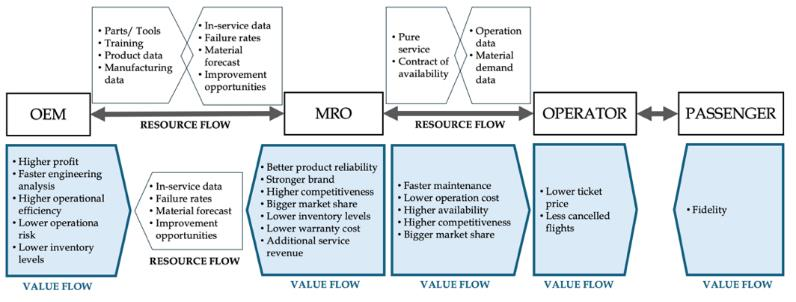
Fig.1. Proposed Value and Data Flow in OEM and MRO Collaboration
(Cassio Dias Goncalves and Michael Kokkolaras, 2018).
In the context of Southeast Asia, this model is particularly relevant as the region witnesses rapid fleet expansion and increasing demand for MRO services. By embracing collaboration, countries like Vietnam can address existing challenges such as infrastructure limitations, supply chain disruptions, and skilled workforce shortages. The value and data flow model also emphasizes the role of advanced technologies, such as predictive analytics and remote monitoring, in driving efficiency and aligning maintenance activities with global industry standards. In conclusion, Figure 1 underscores the significance of collaboration among OEMs, MRO providers, and airline operators in the Southeast Asian MRO industry. The integrated flow of value and data across stakeholders creates a robust ecosystem that promotes operational efficiency, cost optimization, and innovation. For emerging markets like Vietnam, adopting this collaborative approach will be essential to modernizing MRO processes, strengthening regional competitiveness, and meeting the evolving demands of the aviation sector. In addition, this research also examines interviews with OEM and MRO professionals from Southeast Asian countries, focusing on regional, categorical, and benefit- based factors where companies can mutually exchange critical resources. As illustrated in Figure 1 and supported by Casio and Michale (2018), essential resources for MRO activities include spare parts, tooling, equipment, and training. OEMs can collaborate with maintenance providers to gain access to product data, share spare parts and equipment, or provide technical training. By understanding the mutual benefits of collaborations among OEMs, MRO providers, and airline operators, we have developed a model based on the analysis of regional dynamics, resource categories, and associated benefits. This model identifies MRO shared services market trends and outlines key measures for MRO companies to effectively adapt to these emerging trends. •
MRO Shared Services Regional Analysis The Southeast Asian region hosts several prominent MRO centers that provide a range of maintenance services, infrastructure, and technological advancements. In Vietnam, Vietnam Airlines Engineering Company (VAECO) is the leading MRO provider, offering line and base maintenance services, aircraft modification, and engine repair. VAECO operates multiple hangars and service facilities across major airports, including Noi Bai International Airport (Hanoi) and Tan Son Nhat International Airport (Ho Chi Minh City). The company is working toward international certification recognition to expand its global service network. In Singapore, ST Engineering Aerospace is a dominant player with world-class MRO facilities specializing in airframe, component, and engine maintenance. The company is known for its investment in digital MRO solutions, predictive maintenance technologies, and automation to enhance service efficiency. Singapore’s strategic location and advanced aviation infrastructure make it a preferred hub for airline maintenance. Thailand is home to Thai Airways Technical Department, which provides comprehensive maintenance services, including aircraft heavy maintenance. Additionally, Bangkok Airways Maintenance Centre serves regional airlines with high-quality aircraft servicing capabilities. Thailand’s MRO facilities are expanding, with government initiatives supporting infrastructure development and skilled workforce training. Indonesia’s GMF AeroAsia, affiliated with Garuda Indonesia, is another significant MRO provider, focusing on full-service maintenance for aircraft fleets, component repair, and aircraft painting. The facility’s extensive capabilities and global partnerships contribute to its competitiveness in the region. Malaysia’s Sepang Aircraft Engineering (SAE), a subsidiary of Airbus, specializes in aircraft heavy maintenance, structural repairs, and component servicing. The facility plays a key role in Airbus aircraft support in the region, reinforcing Malaysia’s MRO industry. These MRO centers represent critical infrastructure supporting the growing aviation market in Southeast Asia. Their services range from routine line maintenance to complex structural repairs, engine overhauls, and advanced digital diagnostics. Strengthening Vietnam’s MRO infrastructure and aligning its capabilities with regional leaders through investment and technological innovation will be essential for competing in the evolving market. •
MRO Shared Services Categories Analysis By examining specific shared services categories, we identify key factors across airframe maintenance services, engine overhaul services, component repair services, line maintenance services, and modification and upgrade services. These categories encompass activities such as inspecting, repairing, and maintaining aircraft structures, including the fuselage, wings, landing gear, and control surfaces; disassembling and reassembling aircraft engines; refurbishing critical components like avionics, landing gear, hydraulic systems, and electrical systems; and installing new equipment, systems, or features to enhance aircraft performance, safety, and efficiency.
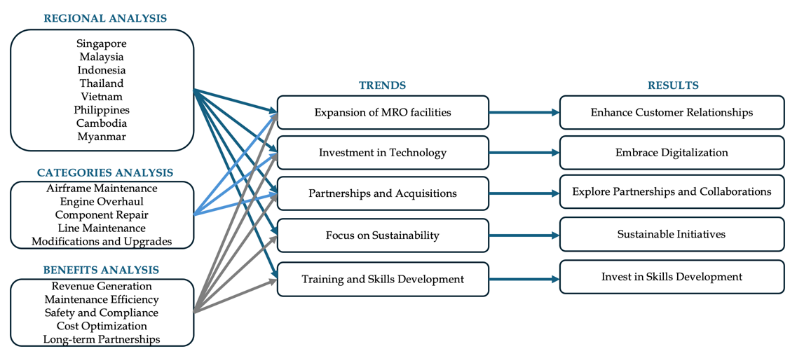
Fig.2. Southeast Asia Aircraft MRO Trending Results Developed by Authors.
• MRO Shared Services Benefits Analysis
MRO shared services provide significant mutual benefits, including revenue generation, maintenance efficiency, safety and compliance, cost optimization, and the establishment of long-term partnerships. By offering specialized expertise and services to airlines and OEMs, MRO providers generate substantial revenues, contributing to sustainable business growth. Efficient maintenance practices reduce aircraft downtime, enhance reliability, and minimize operational disruptions while ensuring compliance with regulatory standards and safety requirements in the aviation industry. Additionally, MRO shared services enable airlines and OEMs to optimize costs by leveraging the expertise and resources of specialized providers, fostering strong, collaborative relationships between MRO service providers, airlines, and OEMs. The MRO industry in Southeast Asia has experienced steady growth, driven by an increasing fleet size across the region. Vietnam, Thailand, and Indonesia have witnessed significant expansions, with Vietnam’s fleet size growing by approximately 10% annually. Meanwhile, Thailand and Indonesia have reported fleet growth rates of around 8% and 9%, respectively. A substantial portion of maintenance work continues to be outsourced, with nearly 60% of MRO services for Southeast Asian airlines performed outside their home countries, primarily in Singapore and Malaysia. This outsourcing trend highlights the need for enhanced local capabilities in Vietnam and other emerging MRO markets. Additionally, revenue from MRO services in the region is expected to surpass USD 6.5 billion by 2025, with Singapore maintaining a dominant market share, followed by Malaysia and Indonesia. These performance indicators underscore the importance of strategic investments in MRO infrastructure, workforce development, and technology adoption to ensure competitive positioning in the regional aviation industry. To analyze the results presented in Figure 2, titled “Southeast Asia Aircraft MRO Trending Results,” we can identify several key insights related to the region’s MRO shared services market. The chart highlights a number of emerging trends and performance indicators that are critical to understanding the trajectory of the MRO industry in Southeast Asia. The key trends depicted in the figure emphasize the growing demand for MRO services. As Southeast Asia experiences a rise in air traffic, expanding fleets, and stricter regulatory requirements, the need for reliable and efficient maintenance services has significantly increased. The figure illustrates how this growth is translating into higher demand for maintenance, repair, and overhaul services, both domestically and across the region. The figure also highlights the integration of advanced technologies in the MRO sector, such as predictive maintenance, data analytics, automation, and remote monitoring. These technologies are revolutionizing MRO operations by streamlining workflows, reducing aircraft downtime, and improving overall operational efficiency. By leveraging real-time data and predictive insights, MRO providers can anticipate maintenance needs, optimize scheduling, and minimize operational disruptions, which ultimately leads to significant cost savings for airlines and improved fleet availability. Another critical aspect addressed in Figure 2 is the emphasis on collaborations between key stakeholders in the MRO ecosystem. The figure demonstrates how OEMs, MRO providers, and airline operators are increasingly forming strategic partnerships to enhance the quality and efficiency of maintenance services. Through resource-sharing and data integration, these partnerships allow stakeholders to optimize their operations, reduce costs, and improve service delivery. This collaborative approach is vital for addressing challenges such as limited resources, skill shortages, and supply chain disruptions, especially as the region’s fleets expand and require more frequent and specialized maintenance, particularly for aging aircraft. In addition, Figure 2 highlights performance indicators such as revenue generation, maintenance efficiency, and workforce development. As the demand for MRO services rises, providers are generating more revenue through specialized services and cost-saving initiatives. However, these gains must be coupled with investments in skilled labor, as the industry faces a significant shortage of qualified technicians. Training programs, often in collaboration with educational institutions, are essential to ensure a steady pipeline of skilled professionals capable of supporting the industry’s growth. Lastly, the figure may point to the regional challenges and the strategic measures needed to overcome them. Issues like supply chain disruptions, technological adoption barriers, and the lack of advanced MRO facilities are likely depicted. To mitigate these challenges, countries like Vietnam must invest in expanding infrastructure, embracing digitalization, and forming stronger global partnerships. Additionally, a focus on sustainability is becoming increasingly important, with MRO providers adopting eco-friendly practices such as refurbishing components instead of replacing them, reducing carbon emissions, and investing in technologies that promote environmental responsibility. In conclusion, Figure 2 provides a comprehensive overview of the key trends shaping the Southeast Asian MRO market. The analysis reveals a growing demand for MRO services driven by fleet expansion and increasing air traffic, alongside the adoption of advanced technologies to enhance operational efficiency. Strategic collaborations between OEMs, MRO providers, and airlines are critical to optimizing resources and improving service quality. By addressing challenges related to workforce development, infrastructure, and technology, Southeast Asian countries, particularly Vietnam, can strengthen their position in the global MRO market and drive sustainable growth.
3. Results and Discussion
Qualitative interviews provided valuable in-depth insights into Vietnam’s MRO market, revealing key areas for development. The findings highlight the urgent need for infrastructure improvements, increased investments in advanced technology, and workforce training to address skill gaps. Additionally, fostering strategic collaborations with global players is critical for knowledge sharing and market expansion. These insights position Vietnam to capitalize on its cost advantages and strategic geographic location, enabling it to emerge as a competitive MRO hub within Southeast Asia. The MRO industry in Vietnam faces several key challenges, with certification being one of the most significant obstacles. While Vietnam is home to large MRO organizations such as VAECO (Vietnam Airlines Engineering Company) for line maintenance and workshops, as well as smaller companies like Vietjet, Bamboo Airways, and Vietstar, the certifications required for international operations are still an issue. Within Vietnam, domestic operations are manageable, but the certifications issued by Vietnamese authorities are not yet recognized internationally by key aviation regulatory organizations such as FAA or EASA. This creates limitations, especially when it comes to offering MRO services for international airlines, preventing Vietnam from fully capitalizing on the global MRO market. In terms of scale and capability, VAECO is competitive with MRO providers in the Philippines and Indonesia, countries that also have well-established MRO infrastructure. However, Thailand stands out in the region for its focus on workshops and component maintenance, which differentiates its MRO offerings from those in Vietnam. While Vietnam has some strengths in terms of cost advantages and a growing domestic market, it faces stiff competition in terms of specialized MRO services offered by its regional neighbors. Regarding service sharing, VAECO predominantly provides line maintenance services for Vietnam Airlines (VNA), as well as some basic services for other customers (eg. Some domestic or foreign airlines). These services, however, are often restricted by the level of certification that is internationally recognized and legally required. While VAECO can perform maintenance services, including both line maintenance and heavy maintenance, for many airlines, especially domestic operators, it cannot fully leverage its capabilities, such as offering more advanced or specialized services, due to, for example, limitations in Vietnam’s certification system which is not fully recognized by international aviation regulators (e.g., for specific types of aircraft and engines or components.) Over the past decade, Vietnam’s policy environment has significantly influenced the development of its Maintenance, Repair, and Overhaul (MRO) sector. Despite notable improvements, the regulatory framework remains restrictive, particularly regarding the approval and international recognition of MRO certifications. This constraint has limited Vietnam’s ability to compete effectively with other Southeast Asian countries that have well-established MRO standards and globally recognized certification systems, such as those aligned with the Federal Aviation Administration (FAA) and the European Union Aviation Safety Agency (EASA). Without internationally accepted certifications, Vietnamese MRO providers face difficulties in attracting foreign airline clients and expanding their market reach beyond domestic operations. To enhance Vietnam’s competitiveness, regulatory reforms should focus on aligning national certification standards with global aviation authorities, streamlining approval processes, and fostering strategic partnerships with international MRO stakeholders to build credibility and trust within the industry. The supply chain disruptions have been another significant challenge for the MRO industry, particularly for companies like VAECO. The procurement of essential materials and parts has become increasingly difficult, resulting in delays and higher costs. These disruptions have made it harder for MRO providers to maintain efficient operations and meet the growing demand for maintenance services in the region. To address these issues, Vietnam has started focusing on developing its human resources in the MRO sector. Companies like Vietjet have established ATP (Approved Training Providers) to train MRO staff. These training programs help workers obtain the necessary certifications required by the CAAV (Civil Aviation Authority of Vietnam). For employees without the required certification, additional training is necessary to meet the standard qualifications. Currently, only VAECO is authorized to conduct exams for Level B certifications, which makes it a key player in ensuring a skilled workforce for the MRO industry in Vietnam. The market trend for MRO services in Vietnam has been improving, especially after the COVID-19 pandemic. The recovery of the aviation sector has led to an increase in demand for maintenance services across Southeast Asia, including Vietnam. As the fleet size of domestic airlines like Vietnam Airlines, VietJet, and others continues to grow, the demand for more efficient MRO services has followed suit. This presents an opportunity for Vietnam to strengthen its MRO capacity and increase its market share in the regional industry. In terms of investment in infrastructure and technology, Vietnam has made progress, particularly with Vietnam Airlines pushing forward digitalization in the aviation sector. Projects such as the Maintenance Control System and the integration of data transfer systems between aircraft and operational maintenance control centers are helping to improve operational efficiency. These technological advancements enable better tracking and monitoring of aircraft maintenance, which is essential for reducing downtime and improving the overall effectiveness of MRO services. Looking ahead, the prospects for Vietnam’s MRO industry are highly promising. With a growing domestic market, investments in infrastructure and technology, and a rebound in air traffic, Vietnam is positioned to become a competitive player in the regional MRO industry. However, to fully capitalize on its potential, Vietnam needs to address the certification challenges, invest in workforce development, and continue expanding its MRO infrastructure. If these steps are taken, Vietnam could significantly enhance its position in the global MRO market. In summary, while Vietnam’s MRO industry has considerable growth potential, it is currently hindered by certification issues, supply chain disruptions, and regulatory limitations. Nevertheless, with continued investments in training programs, technology adoption, and infrastructure development, the country is well-positioned to overcome these challenges and emerge as a key player in the Southeast Asian MRO sector.
• Expansion of Fleet and Demand Vietnam’s registered airlines, such as Vietnam Airlines and VietJet Air, have expanded their fleets significantly in recent years, resulting in a rising demand for MRO services. However, respondents pointed out that Vietnam’s limited advanced MRO facilities often force airlines to outsource maintenance tasks to neighboring countries like Singapore and Malaysia. This trend underscores the need for local infrastructure upgrades to meet growing domestic demand and reduce reliance on foreign MRO providers.
• Supply Strategies Chain Disruptions and Mitigation Supply chain disruptions, especially concerning engine components, have significantly impacted MRO operations in recent years. To mitigate these challenges, MROs are employing various strategies such as collaborating closely with Original Equipment Manufacturers (OEMs) to expedite material delivery, exploring alternative materials where possible, and strategically scheduling maintenance events to optimize aircraft utilization. While diversifying suppliers is recognized as a crucial risk-reduction measure, it remains challenging when dealing with major OEMs due to their dominant market positions. Additionally, the industry faces a critical shortage of skilled technicians, emphasizing the need for robust manpower management and comprehensive training programs. These multifaceted approaches aim to enhance resilience in the face of supply chain uncertainties while ensuring the availability of a competent workforce to meet the growing demands of the MRO sector.
• Investment in Infrastructure Leading MRO providers, including VAECO (Vietnam Airlines Engineering Company), have made efforts to expand their maintenance capabilities. Despite these advancements, capacity limitations remain a significant challenge. Respondents emphasized the importance of further investments in infrastructure, including new maintenance hangars and technology upgrades, to strengthen Vietnam’s MRO capabilities and better serve the expanding aviation sector.
• Competitive Position Vietnam offers cost advantages, particularly lower labor costs, when compared to established MRO hubs like Singapore and Malaysia. However, respondents acknowledged that Vietnam lags behind in terms of scale, technological sophistication, and global reputation. Strategic partnerships with international players were identified as a crucial step to enhance service quality, build credibility, and compete effectively in the Southeast Asian MRO market.
• Technology Adoption OEM representatives stressed the importance of integrating advanced technologies, such as predictive analytics, automation, and remote monitoring, into Vietnam’s MRO processes. These digital solutions can significantly reduce aircraft downtime, streamline maintenance workflows, and improve overall operational efficiency. Investing in such technologies will allow Vietnam to modernize its MRO sector and align with global industry standards.
• Skilled Workforce A recurring concern among respondents was the shortage of highly skilled technical personnel in Vietnam’s MRO sector. The MRO sector faces significant challenges in attracting young talent, with many potential recruits opting for alternative career paths. Despite the existence of training programs, there’s a noticeable lack of resources and interest in MRO careers. The industry recognizes the critical importance of digital transformation to enhance efficiency and competitiveness, although implementation is often hindered by cost constraints. To address this challenge, respondents suggested fostering collaboration with vocational schools, universities, and international training programs. These alliances not only help in sharing resources and expertise but also play a crucial role in improving overall efficiency and reducing operational costs. This collaborative approach is seen as a key strategy in overcoming the sector’s recruitment and technological hurdles while ensuring its long-term sustainability and growth, and build a robust pipeline of qualified MRO professionals, ensuring Vietnam’s workforce can meet the growing demands of the aviation industry.
• Sustainability Initiatives Sustainability is emerging as a critical focus area for Vietnam’s MRO industry. MROs are embracing innovative technologies to enhance efficiency and competitiveness in the aviation maintenance sector. Some interviewees highlighted the importance of eco- friendly practices, such as refurbishing and reusing aircraft components instead of replacing them. These initiatives not only reduce costs but also align Vietnam’s MRO industry with global environmental standards, positioning the country as a forward-thinking and responsible player in the market. Aircraft health monitoring systems and drone dent mapping are among the cutting-edge solutions being implemented. While the aviation industry has traditionally been slower to adopt new technologies compared to other sectors, recent years have seen a significant push towards modernization, particularly in the wake of COVID-19. The regulatory environment, especially in Vietnam, is increasingly focusing on sustainability issues such as reducing carbon emissions and improving waste management practices. However, the pace of adoption for sustainable innovations in Vietnam’s MRO sector still lags behind more advanced markets like the European Union. As the industry evolves, MROs are exploring various technological and procedural improvements to streamline operations, reduce costs, and meet growing environmental concerns, all while maintaining the highest safety standards. A notable trend is the growing emphasis on sustainability within the MRO sector. Companies are implementing eco-friendly initiatives, such as refurbishing and reusing aircraft components, to minimize costs and align with global environmental standards. This aligns with the broader industry goal of reducing carbon emissions and adopting greener practices. Furthermore, addressing the skills gap remains a critical focus, with efforts to collaborate with vocational schools, universities, and international training programs to build a skilled workforce capable of supporting the industry’s long- term growth. Vietnam, in particular, holds significant potential to position itself as a leading MRO hub in Southeast Asia. Its advantages include lower labor costs, a strategic location, and growing domestic demand for MRO services due to fleet expansions by airlines such as Vietnam Airlines, VietJet Air, Vietravel, and Bamboo Airways. However, to unlock this potential, Vietnam must address its shortcomings in infrastructure, technology adoption, and skilled workforce availability. Investments in modernizing facilities, embracing digitalization, and fostering global partnerships will be essential for Vietnam to compete with established players like Singapore and Malaysia. In short, Vietnam’s growing MRO market presents significant trends and opportunities, driven by the rapid expansion of domestic airline fleets, including Vietnam Airlines, VietJet, and Bamboo Airways, which has increased demand for maintenance services and fleet modernization. Regional collaboration with neighboring Southeast Asian countries to establish shared MRO hubs offers cost reductions and economies of scale by serving regional carriers. The focus on digital MRO solutions, such as predictive maintenance, artificial intelligence, and blockchain for inventory management, is transforming operations by enhancing efficiency and reducing turnaround time. Government support through investments in infrastructure, airport development, and partnerships with international stakeholders further strengthens Vietnam’s MRO capacity. Additionally, Vietnam’s competitive advantages, such as lower labor costs and a growing pool of skilled technical professionals, position the country as a cost-effective alternative to established MRO hubs like Singapore and Malaysia, offering quality services at a reduced cost. Through our research analysis, we have identified five key trends driving the growth of the MRO shared services market in Southeast Asia: (1) Expansion of MRO Facilities, (2) Investment in Technology, (3) Partnerships and Acquisitions, (4) Focus on Sustainability, and (5) Training and Skills Development. These trends are expected to significantly contribute to the future development of the MRO market. MRO shared services providers are expanding their infrastructure by establishing new hangars, maintenance centers, and training institutions. Companies are also investing in advanced technologies, including data analytics, automation, robotics, and cloud-based solutions, to streamline maintenance processes, improve decision-making, and enhance operational efficiency and customer service. Strategic partnerships and acquisitions are increasingly prevalent, fostering collaboration between OEMs, MRO providers, and airline operators. Another significant trend is the growing focus on sustainable practices to minimize environmental impact. This includes initiatives such as refurbishing aircraft components, optimizing fuel consumption, and investing in sustainable technologies. Finally, MRO providers are prioritizing training programs to develop a skilled workforce, enhance technical expertise, and ensure a steady pipeline of qualified professionals. This focus on workforce development addresses the potential shortage of skilled workers in the future, further strengthening the MRO industry. The future of the MRO industry hinges on a delicate balance of efficiency and safety, as emphasized by the industry expert. To ensure long-term success and sustainability, MROs must prioritize innovation, forge strategic partnerships, and invest in robust training programs. The expert advises a pragmatic approach: focus on mastering basic maintenance tasks while gradually integrating new technologies and processes to enhance efficiency. This measured strategy allows MROs to maintain high safety standards while steadily improving their operations. The industry’s growth and development will likely benefit from the sharing of knowledge and experience among seasoned professionals, fostering a collaborative environment that drives continuous improvement and adaptation to evolving challenges in the aviation maintenance sector. In conclusion, the MRO shared services market in Southeast Asia is on a promising trajectory, driven by expanding fleets, technological advancements, and increasing regional collaboration. Vietnam, while facing challenges, is well-positioned to capitalize on its cost advantages and strategic location. To fully realize this opportunity, the country must focus on enhancing infrastructure, adopting advanced technologies, and developing a robust talent pipeline. These measures, combined with sustainability initiatives, will ensure Vietnam’s emergence as a competitive and forward- thinking player in the regional MRO market.
4. Conclusions
Based on the identified trends, we propose five key strategies to effectively adapt: (1) Investing in Skills Development, (2) Embracing Digitalization, (3) Enhancing Customer Relationships, (4) Exploring Partnerships and Collaborations, and (5) Implementing Sustainable Initiatives. First, to address the shortage of skilled personnel and ensure a competent workforce, MRO shared services providers should invest in training and skills development programs in collaboration with educational institutions and vocational training centers. Second, embracing digitalization and advanced technologies— such as data analytics, predictive maintenance, and remote monitoring—will optimize maintenance processes, enhance operational efficiency, reduce costs, and improve safety.
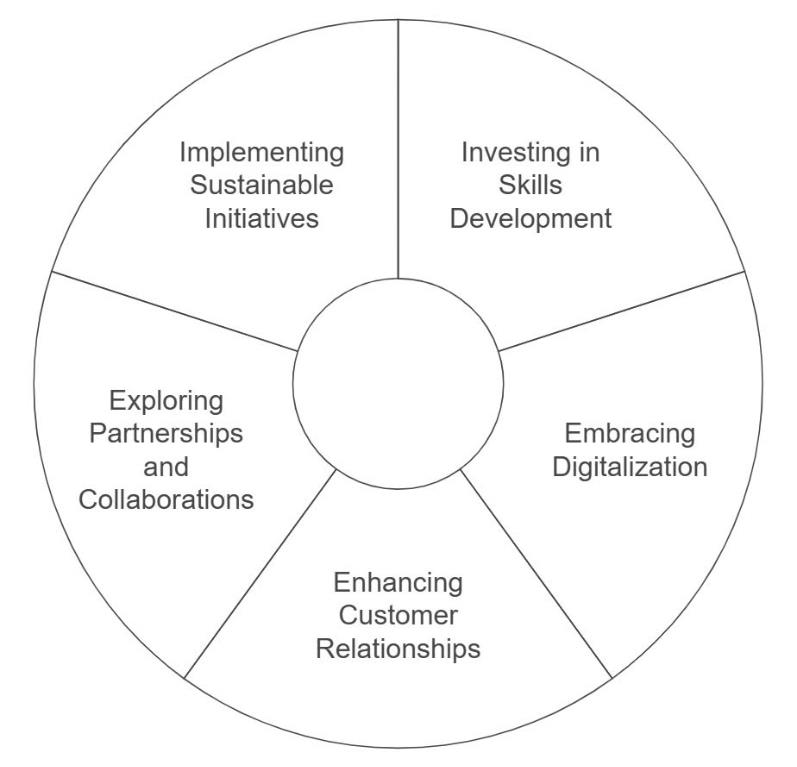
Fig.3. Strategic Adaptations developed by authors.
Third and fourth, strengthening relationships with airline operators and OEMs will enable MRO providers to expand their capabilities, access new markets, share resources, and create synergies that unlock further opportunities. Fifth, prioritizing sustainability initiatives will align MRO providers with industry trends and customer expectations. This includes adopting eco- friendly practices, reducing carbon emissions, and exploring innovative solutions to foster a cleaner and more sustainable MRO industry. Despite promising opportunities, the MRO industry has faced significant challenges in the post-COVID era, as discussed in our recent interviews., including infrastructure limitations due to the constrained capacity of existing facilities and the need for expansion to meet rising demand. The country also faces intense global competition from well-established MRO markets such as Singapore and Thailand, which boast advanced infrastructure, technology, and global reputations. Supply chain disruptions, workforce shortages, and rising costs have created a complex operating environment. The sudden surge in demand for aircraft maintenance following the pandemic has led to a scarcity of maintenance slots and escalating expenses, compelling airlines to seek services beyond their usual geographical areas. Additionally, while Vietnam’s workforce is improving, continued investment in technical skill development is necessary to meet international MRO standards. To address these challenges, the industry is increasingly turning to shared services and partnerships between MROs and airlines, aiming to boost efficiency and manage costs. Additionally, the adoption of innovative technologies like drone dent mapping is playing a crucial In conclusion, the Southeast Asian Aircraft MRO market is driven by rising air passenger traffic, expanding fleet sizes, and the increasing need for regular maintenance and repairs. Despite challenges such as workforce shortages and rising operational costs, the MRO shared services market presents significant opportunities, including revenue generation, improved maintenance efficiency, enhanced safety and compliance, and the establishment of long-term partnerships. Strategic investments in digitalization, skills development, infrastructure, and sustainability will be essential for achieving success in this evolving market and contributing to the economic growth of the Southeast Asian region. To strengthen the study’s rigor, a mixed- methods approach can be employed for further research, combining qualitative and quantitative data collection. Qualitative data can be gathered through in- depth interviews with key stakeholders, including MRO providers, airline operators, policymakers, and industry experts. This will provide valuable insights into regulatory challenges, market trends, and operational constraints. Quantitative data should include industry reports, statistical analyses of MRO market growth, and financial performance metrics of major regional MRO providers. By integrating both qualitative and quantitative methods, the study can offer a well- rounded assessment of Vietnam’s MRO sector. Additionally, employing a
SWOT (Strengths, Weaknesses, Opportunities, and Threats) analysis would provide a strategic evaluation of Vietnam’s position in the regional MRO market. Strengthening these aspects will contribute to a more comprehensive and compelling analysis of Vietnam’s evolving role in the Southeast Asian MRO industry.
Nomenclature
ATP: Approved Training Providers
CAAV: Civil Aviation Authority of Vietnam
CAGR: Compound Annual Growth Rates
EASA: European Union Aviation Saferty Agency
FAA: Federal Aviation Administration
MRO: Maintenance, Repair, and Overhaul
OEMs: Original Equipment Manufacturers
VAECO: Vietnam Airlines Engineering Company
CRediT Author Statement
Tran Thi Thai Binh: Conceptualization, Methodology, Validation, Interview, Formal Analysis, Data Curation, Writing- Original Draft Preparation, Visualization, Supervision, Project Administration. Nguyen The Hoang: Resources, Interview, Reviewing and Editing, Visualization, Funding Acquisition.
References
Bergeron, B., 2003. Essentials of Shared Services. New York: John Wiley & Sons, Inc.
Cassio, G. & Michael, K., 2018. Collaborative Product-Service Approach to Aviation Maintenance, Repair and Overhaul. Part 1: Quantitative Model. Journal of Aviation Technology and Engineering, 8:1, pp. 20-30.
Çetinsoy, E. et al., 2012. Design and construction of a novel quad tilt-wing UAV. Mechatronics, 22(6), pp. 723-745.
Fielt, E., Bandara, W., Miskon, S. & Gable, G., 2014. Exploring Shared Services from an IS perspective: A Literature Review and Research Agenda. Journal of Communications of the Association for Information Systems, 34 (54), pp. 1001 – 1040.
Jackson, C., Pascual, R., Mac Cawley, A. & Godoy, S., 2023. Product–service system negotiation in aircraft lease contracts with option of disagreement. Journal of Air Transport Management, 107, 102343.
Jayaraman, V. & Liu, Z., 2019. The Effect of Internal and External Integration Capabilities on the Performance of Professional Service Outsourcing. Social Science Research Network.
Konyalıoğlu, T., Alnıpak, S., Şahin, H. İ. & Altuğ, E., 2025. Integrating Additive Manufacturing and Composite Manufacturing Techniques to Build a General-Purpose UAV. International Journal of Aviation Science and Technology, 6(02), pp. 91-105.
Michael et al., 2012. Regional and Local Tensions: The Role of Shared Services. Curtin University of Technology, John Curtin Institute of Public Policy, 7(1), pp. 47-62.
Mofokeng, T., Mativenga, P. T. & Marnewick, A., 2020. Analysis of aircraft maintenance processes and cost. Procedia CIRP, 90, pp. 467–472.
Richter, P. C. & Brühl, R., 2017. Shared service center research: A review of the past, present, and future. European Management Journal.
Ruggini, J., 2006. Making Local Government More Workable through Shared Services. Government Finance Review, February issue.
Tran, T. T. B., 2025. The Development of MRO Shared Services in Vietnam: A Comparative Analysis with Southeast Asian Countries. International Journal of Aviation Science and Technology, 6(02), pp. 79-90.
Wagenaar, R. W., 2006. Governance of Shared Services Centers in Public Administration: Dilemma’s and Trade-Offs. In Proceeding of The Eighth International Conference on Electric Commerce, Fredericton, Canada, pp. 354-363.